
How Google Understands a Brand as an Entity
How Google Understands a Brand as an Entity
Search engines do more than match keywords. They also try to understand entities: real-world people, organizations, places, products and concepts that can be identified independently of a single web page.
For a business, this means Google may try to connect your brand name, official website, logo, Organization structured data, public profiles and trusted external references into one consistent entity.
Google’s Knowledge Graph documentation explains that its systems collect factual information from multiple public sources. A business cannot force a Knowledge Panel simply by adding schema, but it can make its identity easier to understand.
What Is an Entity in SEO?
An entity is something that can be uniquely identified. “Bannez” as a business entity is different from the Bannez website, even though the website belongs to the business. Structured data can describe these entities and their relationships.
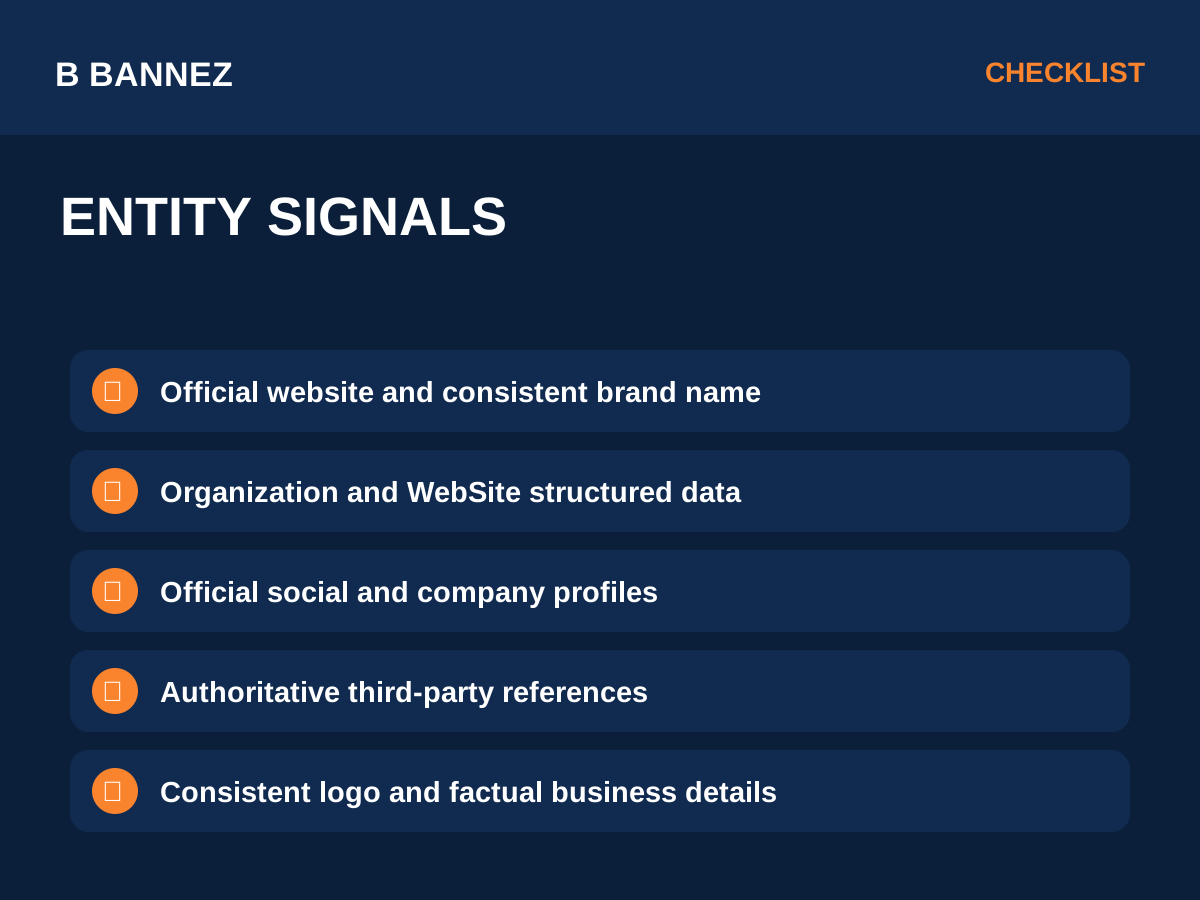
Signals That Help Clarify a Brand Entity
1. A clear official website
Your home page, About page, Contact page and key service pages should consistently use the official brand name and factual business information.
2. Organization structured data
Organization schema can provide machine-readable identity details such as the organization name, official URL and logo. See Google’s Organization structured data guide.
3. WebSite structured data
WebSite markup helps identify the website itself and can support preferred site-name understanding. Read Organization Schema vs Website Schema.
4. Official public profiles
Consistent company profiles on platforms such as LinkedIn and other relevant networks can help users and search systems connect the same brand across the web.
5. Independent references
Third-party references can be important because they do not come from the business itself. Genuine partner pages, industry directories, interviews, press coverage or other reliable mentions may help establish external corroboration.
Why Consistency Matters
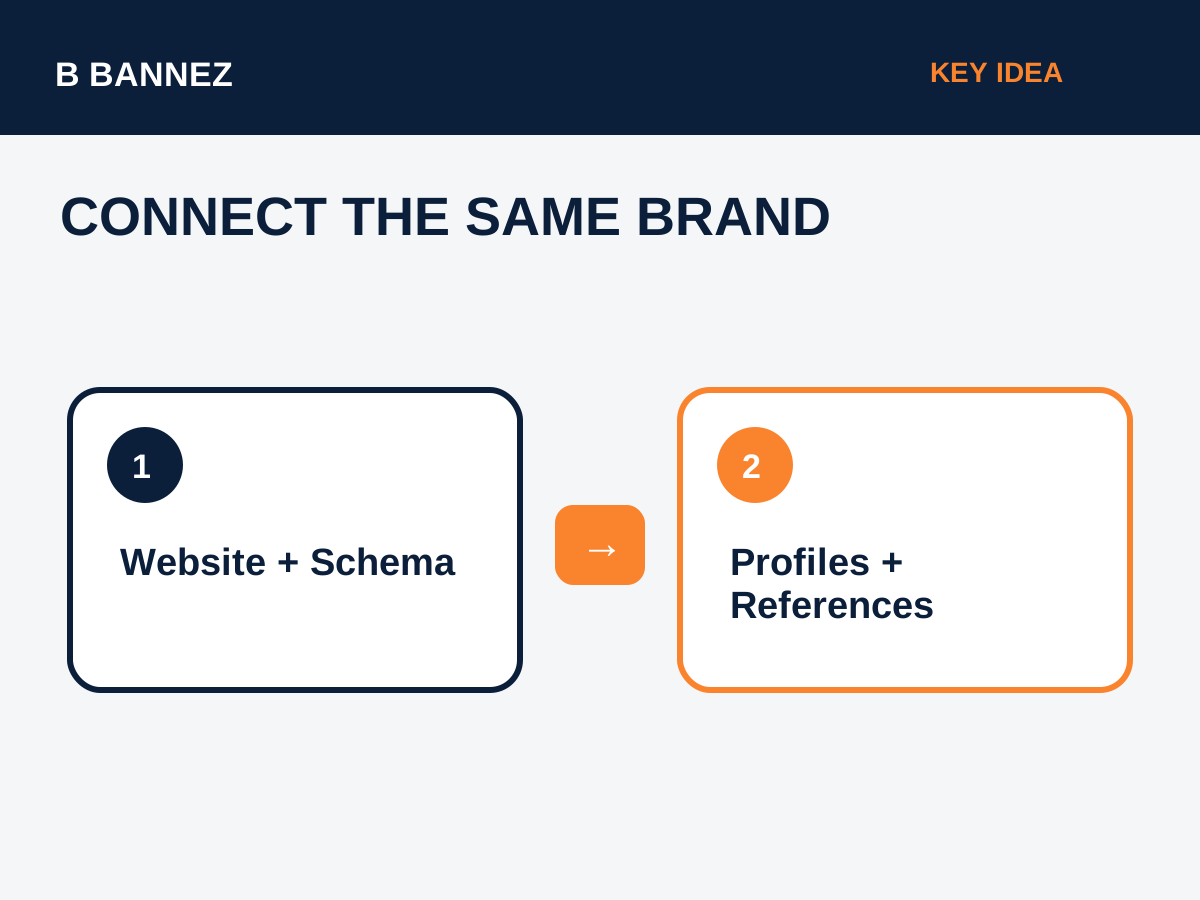
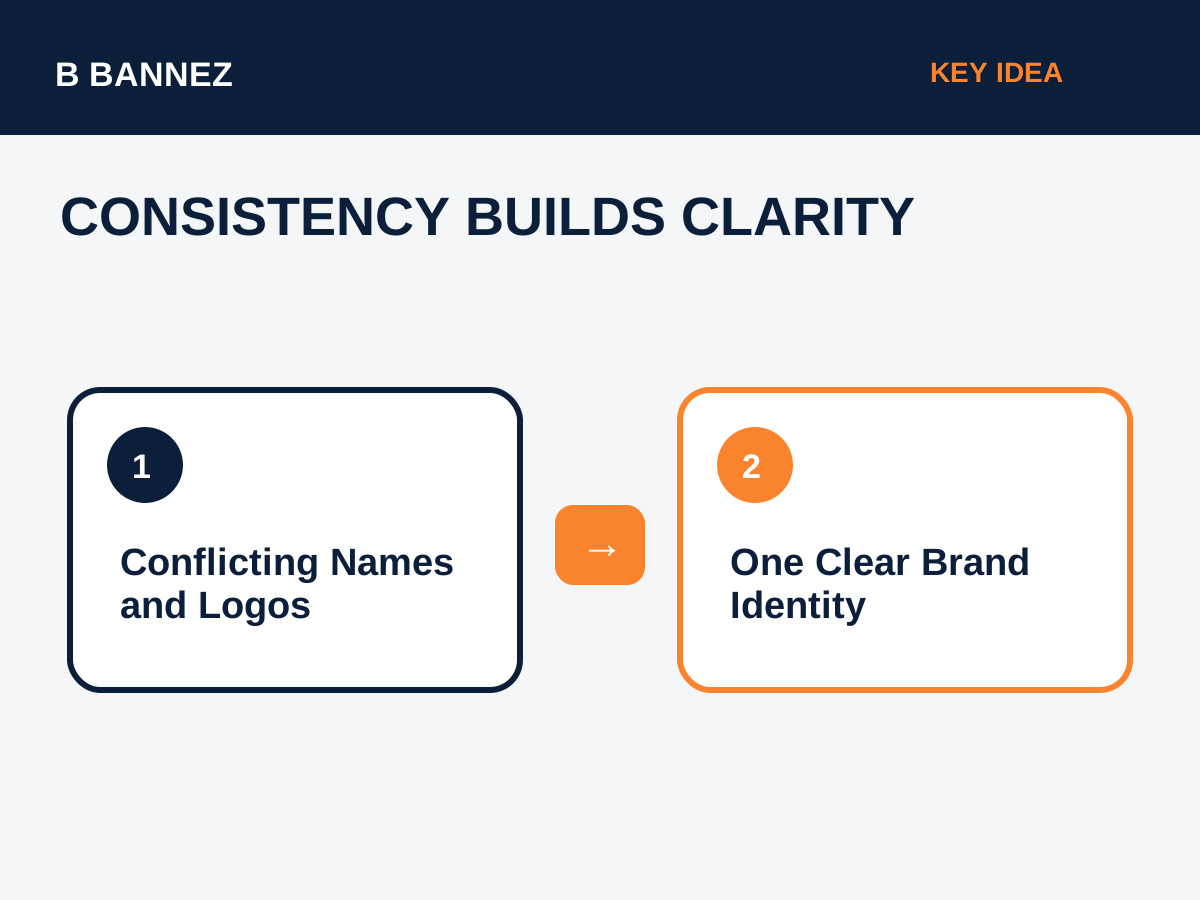
If one profile uses an old business name, another uses a different logo, and the website lists conflicting contact information, entity resolution becomes harder. Consistency does not mean copying identical marketing text everywhere; it means keeping core factual identity information aligned.
How to Improve Brand Entity Clarity
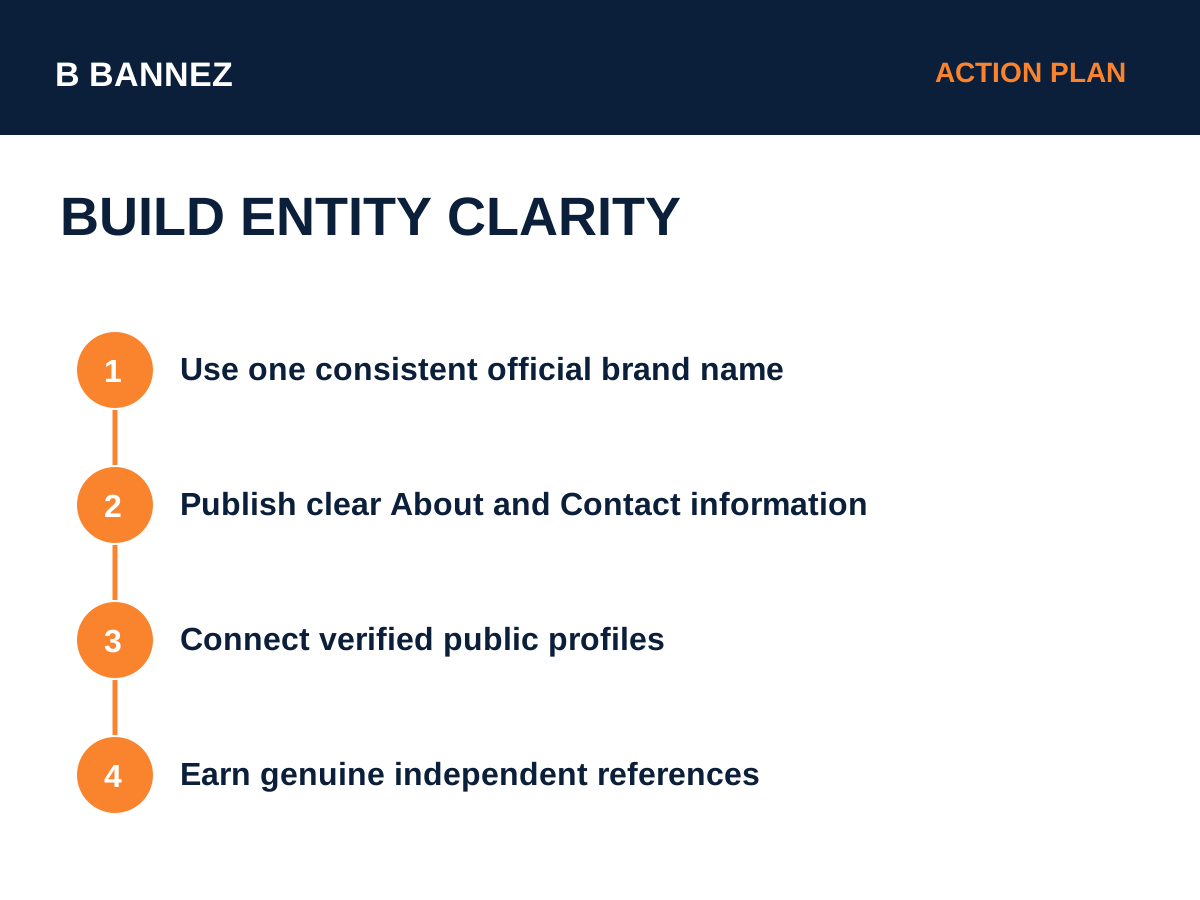
- Use one official brand name everywhere important.
- Keep your logo and website URL consistent.
- Publish a factual About page.
- Use Organization and WebSite schema correctly.
- Connect legitimate official profiles.
- Remove outdated brand references where you control them.
- Build genuine third-party mentions over time.
What Does Not Guarantee a Knowledge Panel?
- Adding Organization schema alone.
- Creating dozens of low-quality directory profiles.
- Using fake reviews or ratings.
- Copying a Wikipedia-style biography onto your own site.
- Claiming unsupported awards, founding dates or locations.
Brand Entity vs Brand Keyword
A brand keyword is a search phrase containing your brand name. A brand entity is the underlying business or organization Google is trying to understand. Strong entity clarity can help search systems associate pages, profiles and references with the same real-world brand.
FAQs
Can schema create a Knowledge Panel?
No. Schema can help clarify identity, but Google automatically generates Knowledge Panels from multiple information sources.
Should I create profiles on every social network?
No. Focus on legitimate platforms your business actually uses and can maintain.
Does consistent branding mean identical descriptions everywhere?
No. The factual identity should be consistent, while descriptions can be written naturally for each platform.
Conclusion
Google can understand a brand as an entity by connecting signals from the official website, structured data, public profiles and independent sources. The practical goal is simple: make your business identity accurate, consistent and verifiable across the places that matter.
