
Organization Schema vs Website Schema: What Is the Difference?
Organization Schema vs Website Schema: What Is the Difference?
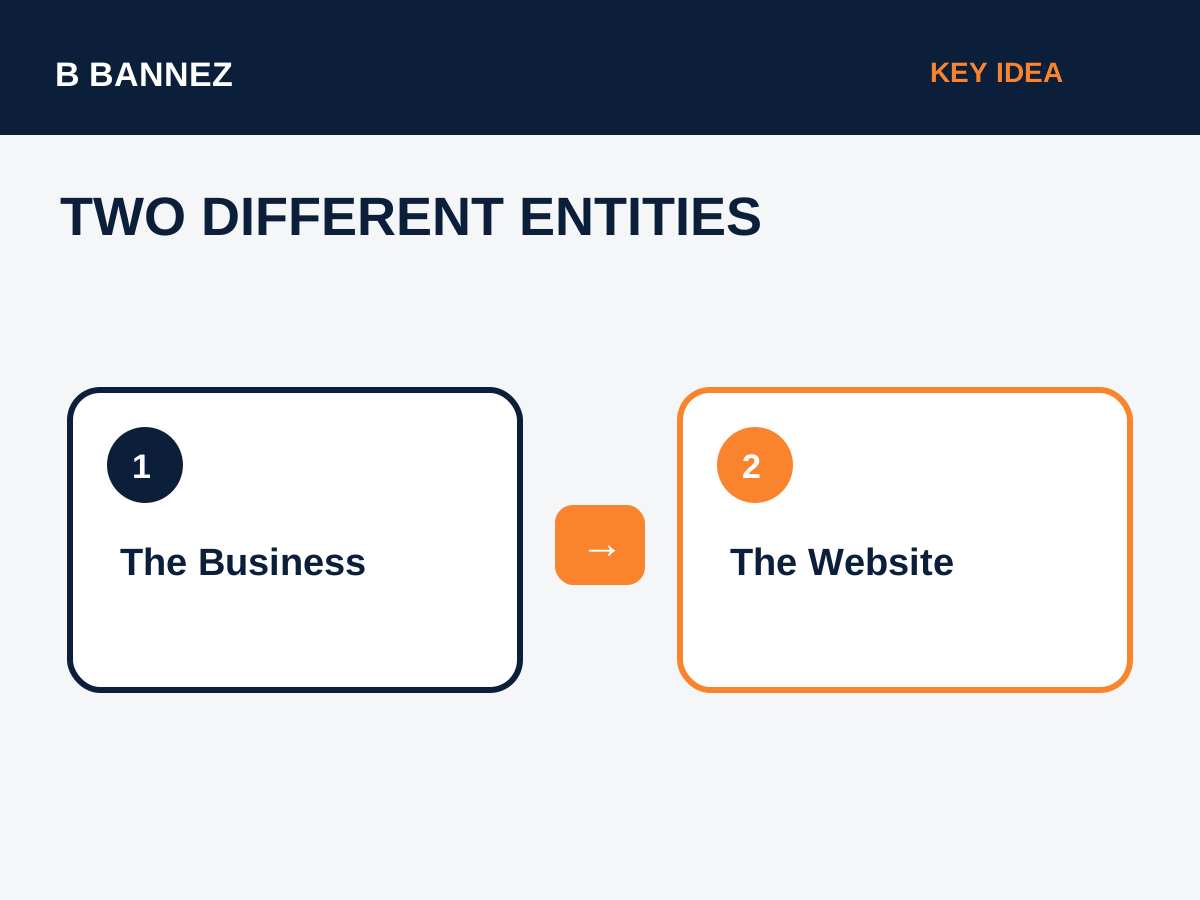
Organization schema and WebSite schema are often used on the same business website, but they describe different things. Organization structured data describes the company, agency, nonprofit, brand or other organization behind the site. WebSite structured data describes the website itself.
Understanding this difference helps prevent duplicate or conflicting schema and creates a clearer entity structure for search engines.
What Is Organization Schema?
Organization structured data is used to describe an organization as an entity. Google’s Organization structured data documentation explains properties that can help identify and disambiguate an organization, including its name, URL and logo.
Typical Organization properties
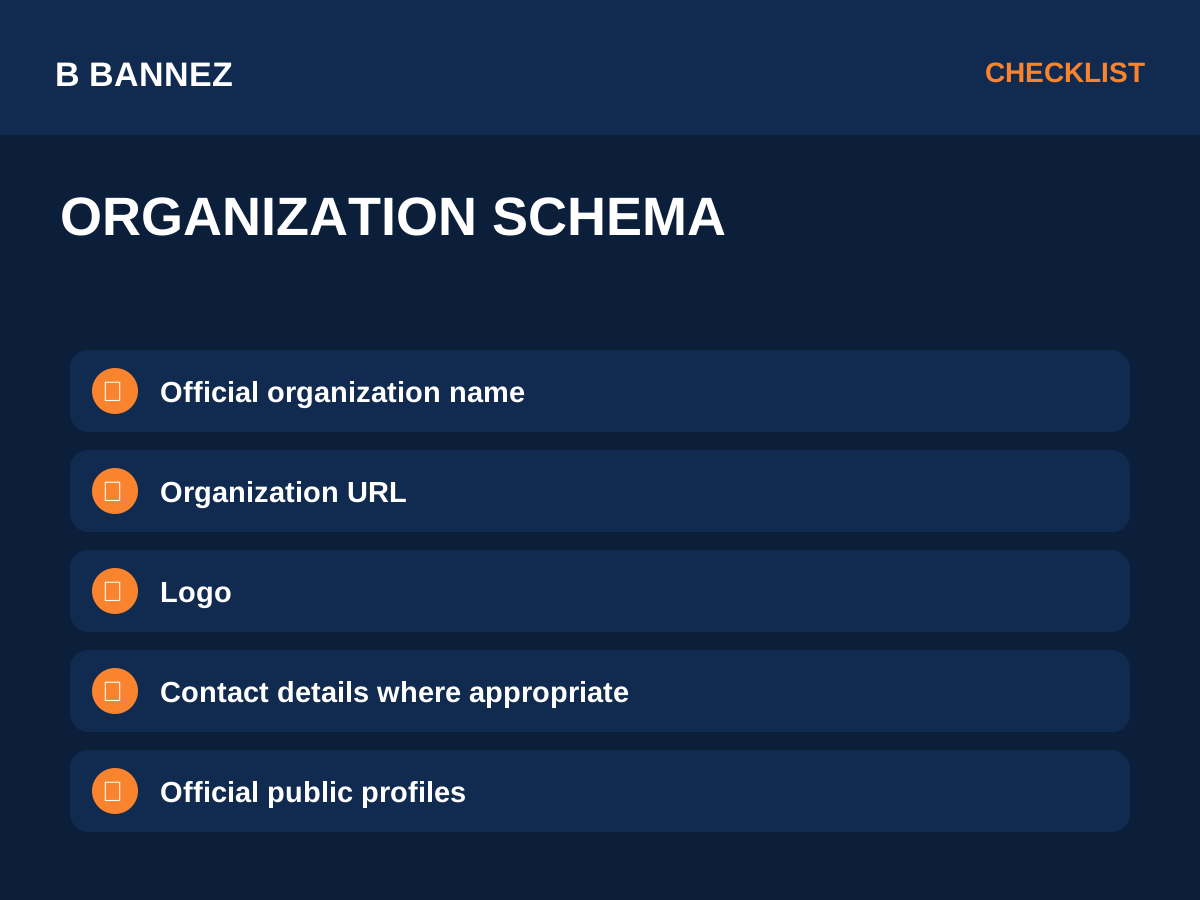
- Name of the organization.
- Official website URL.
- Logo.
- Contact information where relevant.
- sameAs links to official external profiles.
- Address or legal details when factual and applicable.
What Is WebSite Schema?
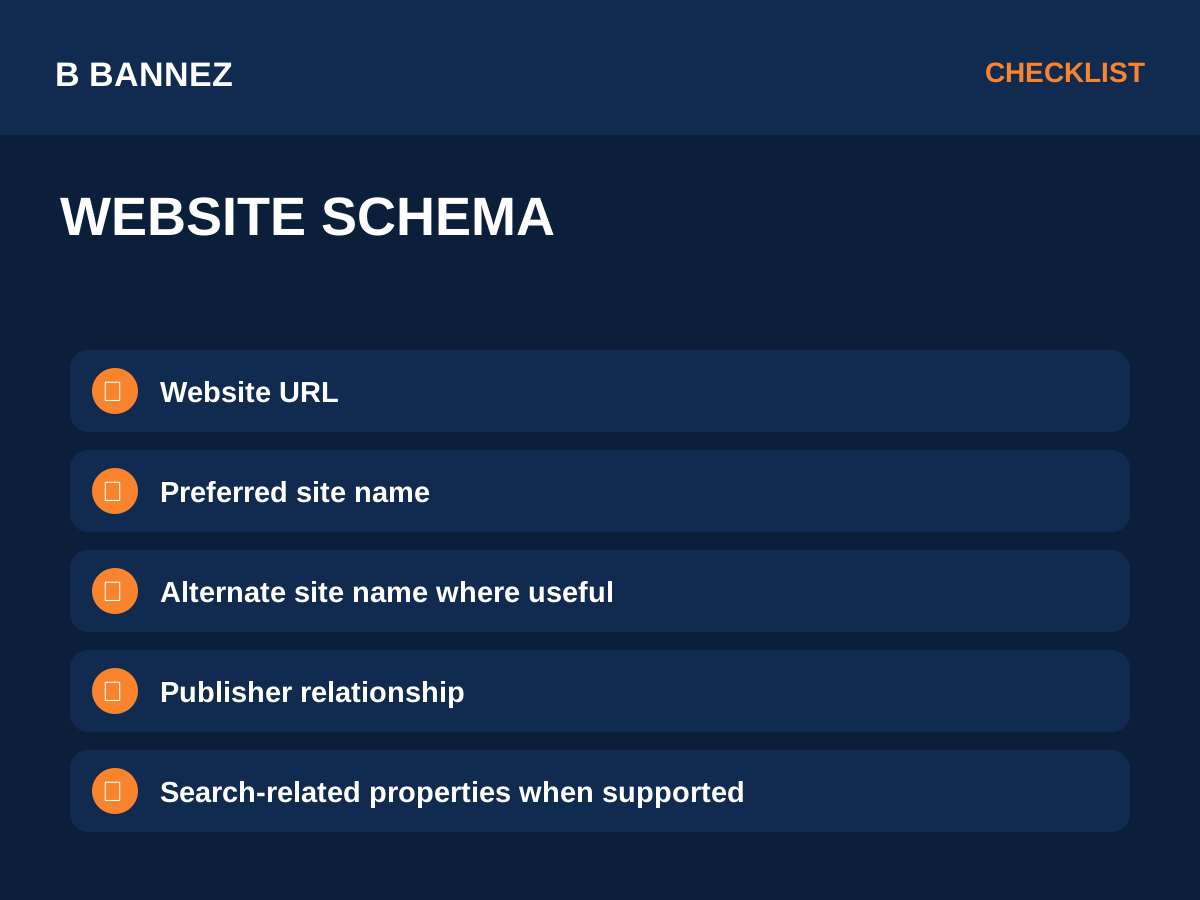
WebSite structured data describes the website rather than the organization. Google uses WebSite structured data as one of the strongest signals for a preferred site name on the home page. Its site-name documentation recommends WebSite markup on the home page.
Organization Schema vs WebSite Schema
| Area | Organization | WebSite |
|---|---|---|
| Represents | The business or organization | The website |
| Main identity | Company/brand entity | Site entity |
| Common data | Name, URL, logo, profiles, contact details | URL, name, alternate name |
| Typical placement | Often home page or site-wide entity graph | Home page |
| Important use | Organization understanding and disambiguation | Website/site-name understanding |
Should a Business Website Use Both?
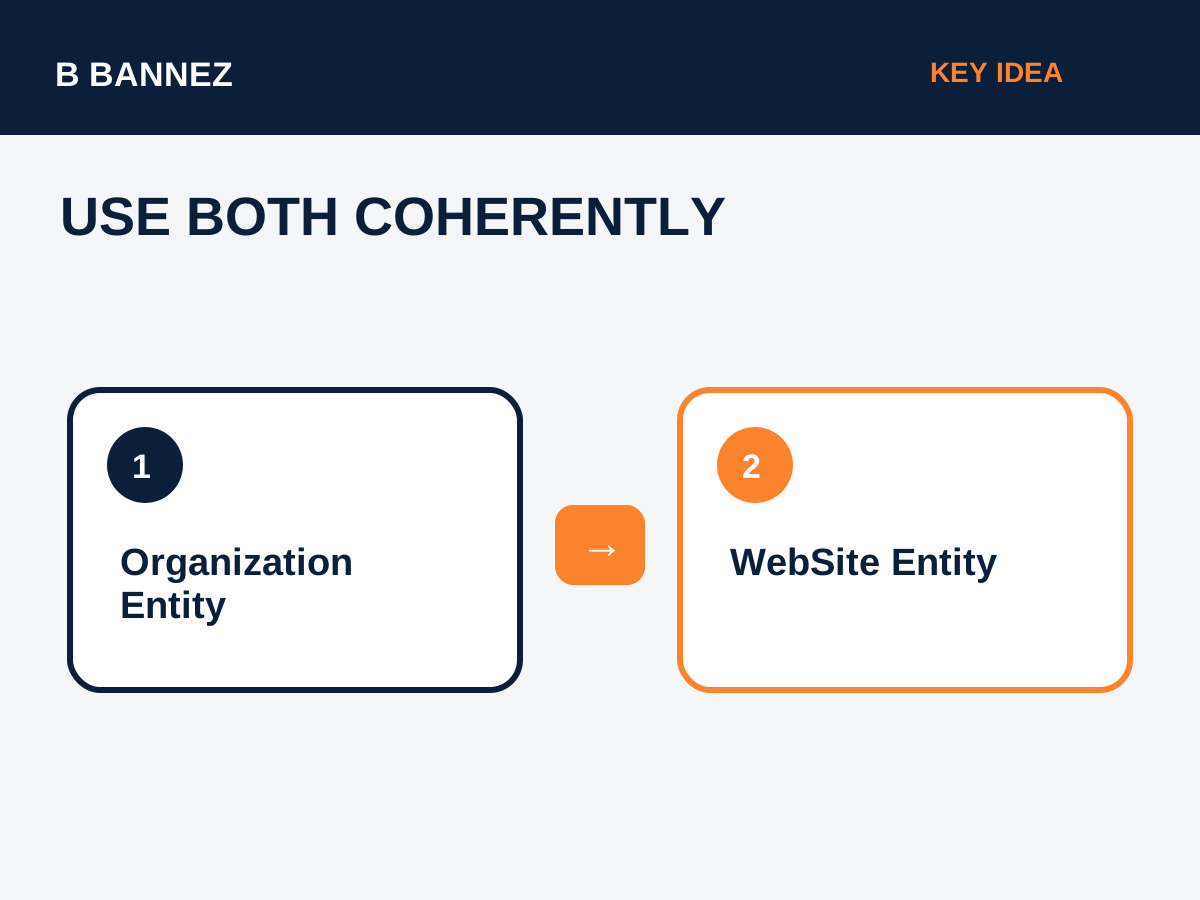
Often, yes. A business has an organization entity and a website entity. Using both can create a more complete graph as long as the relationships and facts are consistent.
Example relationship
The WebSite entity can identify its publisher as the Organization entity. Both can use consistent URLs and IDs so search engines understand that the website belongs to the organization.
Common Implementation Mistakes
Creating multiple competing Organization entities
SEO plugins, themes and custom code can all output schema. If each creates a different Organization object, search engines may see conflicting logos, URLs or names.
Using WebSite schema as if it were the company
The site and the organization are related but not identical entities.
Adding fake legal or business information
Structured data should use real, verifiable information. Do not invent a founder, address, rating or founding date just to fill properties.
How to Audit Your Setup
- View the home-page structured data.
- Identify Organization and WebSite nodes.
- Check that each has a stable @id.
- Confirm the website publisher points to the correct organization.
- Verify name, logo and URLs are consistent.
- Remove duplicate conflicting entities.
For a broader introduction, read Schema Markup Explained for Business Websites.
FAQs
Is Organization schema enough for a site name?
Google specifically recommends WebSite structured data for indicating a preferred site name, so relying only on Organization markup is not the clearest approach.
Can both schema types appear in one JSON-LD graph?
Yes. A coherent graph can include multiple related entities.
Conclusion
Organization schema represents the business; WebSite schema represents the site. A professional business website can use both together, with consistent names, URLs, IDs and relationships. The goal is not to add as much markup as possible, but to describe the real entities clearly and accurately.
