
Landing Page vs Website: What Is the Difference?
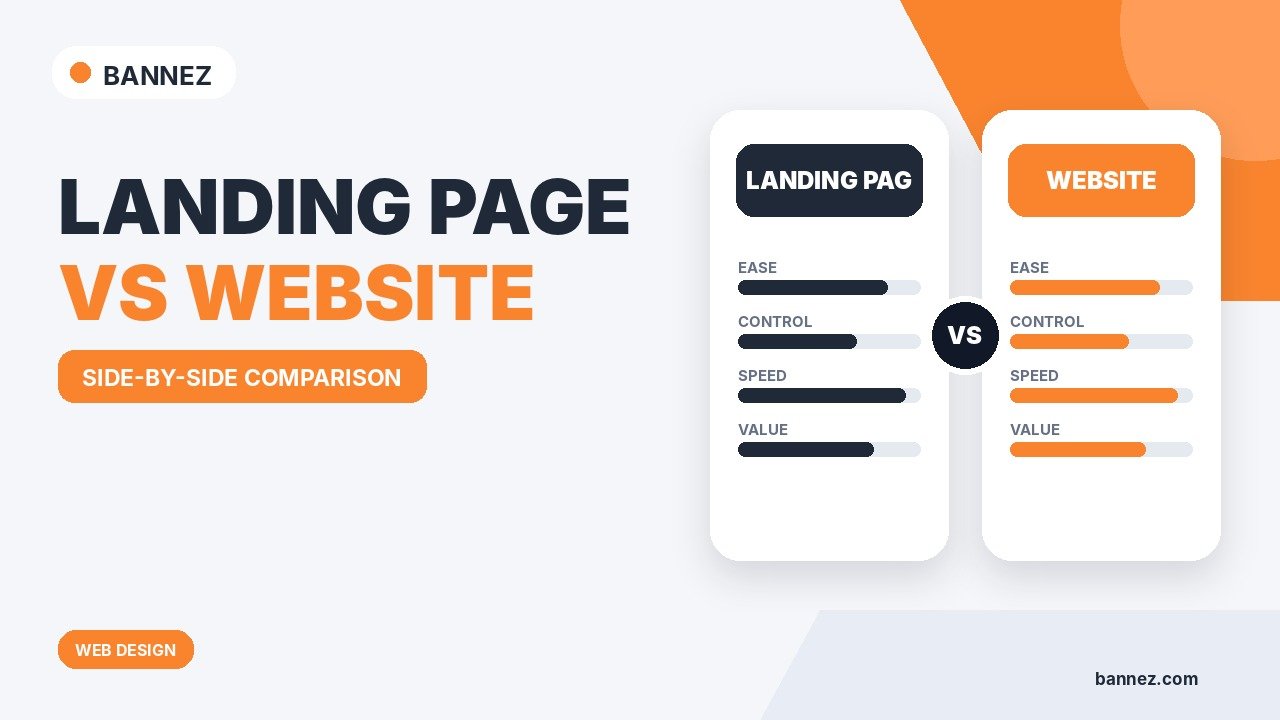
A landing page and a website are both online destinations, but they are usually designed for different jobs. A business website gives visitors a broader view of the company, while a landing page normally focuses on one audience, one offer, or one campaign action.
Choosing the wrong format can create friction. A paid campaign may lose focus when it sends visitors to a busy homepage, while a business that uses only one narrow landing page may not provide enough information for people who want to research the company.
What Is a Business Website?
A website is a connected collection of pages that can explain the business, services, products, team, policies, resources, contact information, and other important topics.
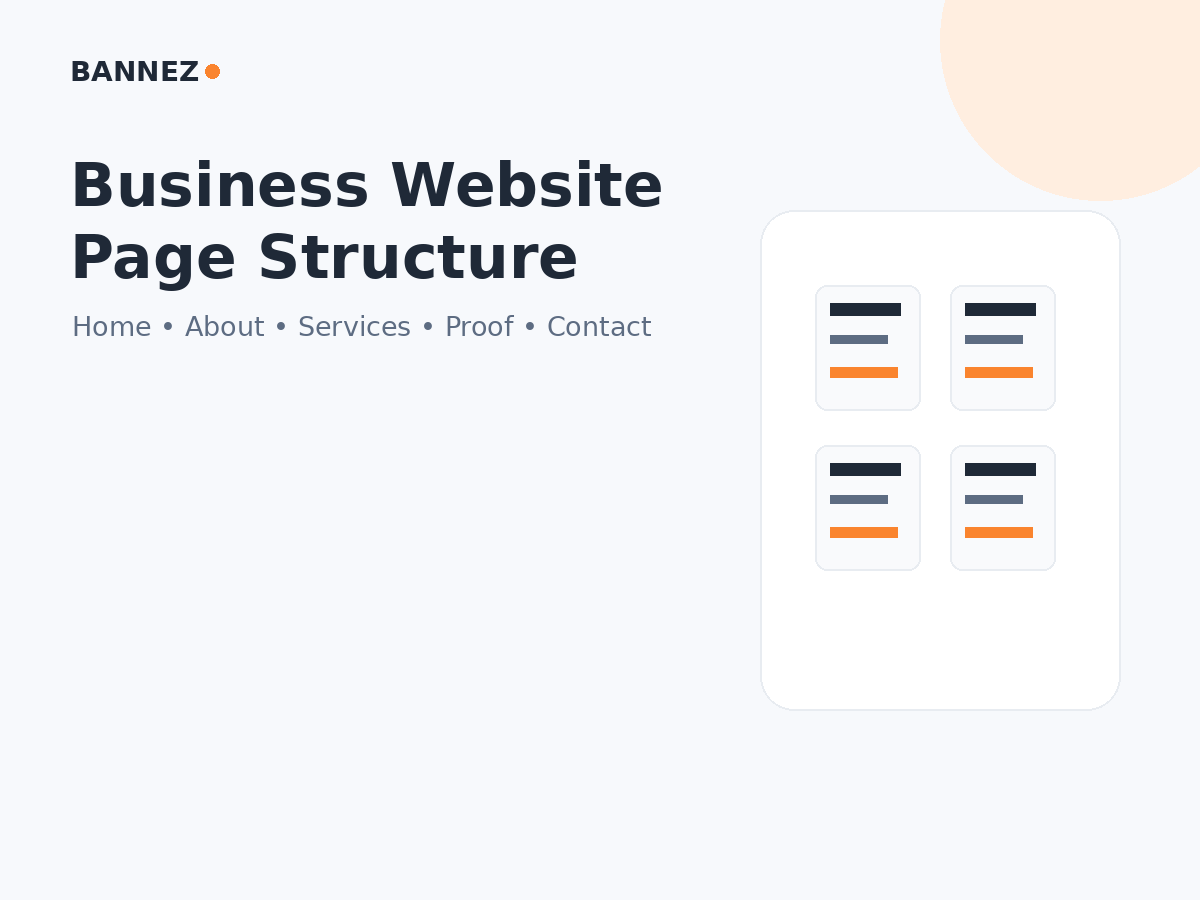
A typical business website may include
- Home
- About
- Services or products
- Individual service pages
- Portfolio or case studies
- Blog or resources
- Contact
- Policy pages
What Is a Landing Page?
A landing page is a page designed around a specific visit or campaign objective. Google Ads defines a landing page as the webpage people reach after clicking an ad.
See Google’s current landing page guidance.
A landing page can exist inside a larger website. It does not need to be a separate site or domain.
Landing Page vs Website: Quick Comparison
| Area | Landing page | Business website |
|---|---|---|
| Main goal | One focused action or campaign | Broader business information and multiple journeys |
| Navigation | Often reduced or simplified | Full site navigation |
| Content | Focused on one offer or audience | Multiple topics, services and resources |
| Traffic | Often campaign-specific | Search, direct, referral, social and other sources |
| CTA | Usually one primary action | Several actions across different pages |
Why Landing Pages Often Have Less Navigation
A campaign landing page may remove or reduce navigation so visitors can focus on the offer. This does not mean navigation is bad. It means the design is optimized for a narrower journey.
For a normal business website, clear navigation is essential. Read Why Website Navigation Matters for User Experience.
When a Landing Page Makes Sense
Paid advertising campaign
A dedicated page can match the ad message, audience, offer, and conversion action more closely than a general homepage.
Product or service launch
A focused page can explain one new offer without requiring visitors to search through the rest of the website.
Lead-generation campaign
A page may focus on one form, consultation, download, or signup.
Event or promotion
A temporary campaign can have a dedicated destination with dates, details, and one primary CTA.
When a Full Website Makes More Sense
- Visitors need to research the business
- You offer multiple services or product groups
- You want a long-term content and SEO structure
- You need About, contact, policy, support, or trust pages
- Customers have different journeys
- You want a central brand presence
A Landing Page Still Needs Trust
Removing navigation does not mean removing credibility. Visitors may still need business identity, clear terms, relevant proof, privacy information, secure forms, pricing details, or contact options depending on the offer.
Landing Page Experience Matters in Google Ads
Google Ads states that landing page experience is influenced by factors including usefulness, relevance, navigation, and whether the page meets visitor expectations. A strong ad cannot compensate for a poor destination.
Google’s landing-pages report guidance also emphasizes mobile friendliness and landing-page performance.
Landing Page vs Homepage
A homepage introduces the broader business. A landing page usually continues a specific message that began before the visitor arrived.
Example
An ad about “Website Redesign for Small Businesses” may perform better with a page focused on redesign than with a homepage that also discusses content writing, advertising, ecommerce, and unrelated services.
Can a Landing Page Rank Organically?
Yes, a landing page can be indexed and appear in search when it provides useful, unique content and is technically accessible. However, campaign landing pages are sometimes intentionally excluded from search depending on their purpose.
Do not create dozens of nearly identical pages with only keyword changes. Each indexable page should have a real purpose and unique value.
How Many Landing Pages Do You Need?
There is no fixed number. Create separate landing pages when audiences, offers, messages, locations, or campaign goals are meaningfully different.
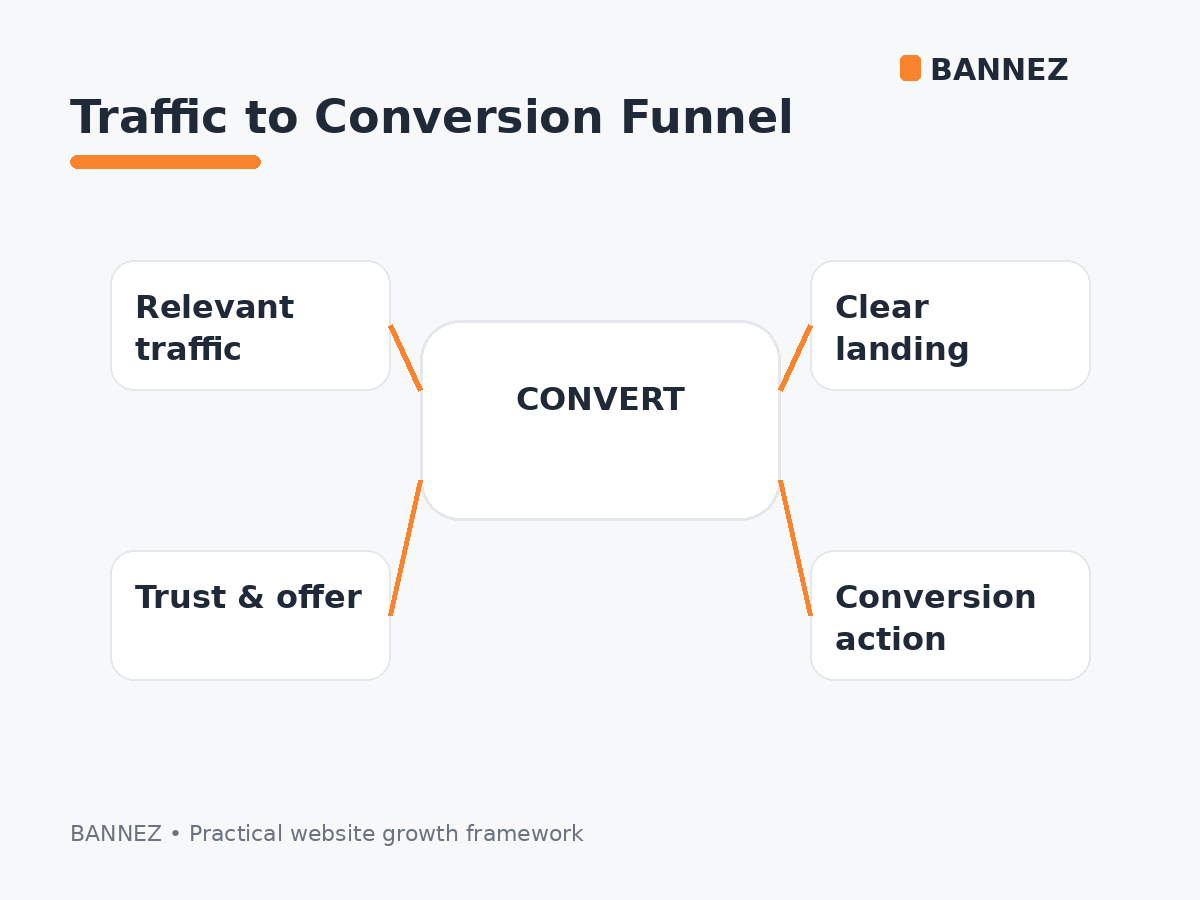
Landing Page Conversion Structure
- Match the visitor’s expectation.
- Explain the offer clearly.
- Show relevant benefits and proof.
- Answer important objections.
- Keep the main CTA visible.
- Reduce unnecessary form fields or distractions.
- Confirm what happens after submission or purchase.
Should You Build a Landing Page or a Website First?
If you need a permanent business presence, a core website is usually the stronger foundation. Landing pages can then be added for focused campaigns.
If you are testing one offer before building a broader brand site, a focused landing page may be enough temporarily—provided it includes the information visitors need to make an informed decision.
Where Bannez Can Help
If your goal is a complete WordPress business website and the scope fits, you can explore our Professional WordPress Business Website service. For existing WordPress layouts that need theme customization, our WordPress Website Customization service may be relevant.
Landing Page Checklist
- One primary audience defined
- One main objective defined
- Headline matches campaign intent
- Offer explained clearly
- Relevant proof included
- CTA visible
- Form asks only necessary information
- Mobile layout tested
- Page speed reviewed
- Analytics and key events configured
Frequently Asked Questions
Is a landing page a one-page website?
Not necessarily. A landing page is defined more by its focused purpose than by whether other pages exist. It can be part of a larger website.
Can I run ads to my homepage?
You can, but a dedicated landing page may provide a better message match when the campaign promotes one specific offer or audience.
Should a landing page have a menu?
It depends on the goal. Some campaign pages intentionally reduce navigation, while others keep a simplified menu for trust and exploration.
Do I need both a website and landing pages?
Many businesses benefit from both: a main website for the brand and focused landing pages for specific campaigns or offers.
Conclusion
A website gives visitors a broader path through your business, while a landing page focuses attention on one specific journey. Neither is automatically better.
Choose based on the visitor’s context. Use a full website when people need to explore and research; use a landing page when one focused message and action better match the campaign.
