

Schema Markup Explained for Business Websites
Schema Markup Explained for Business Websites
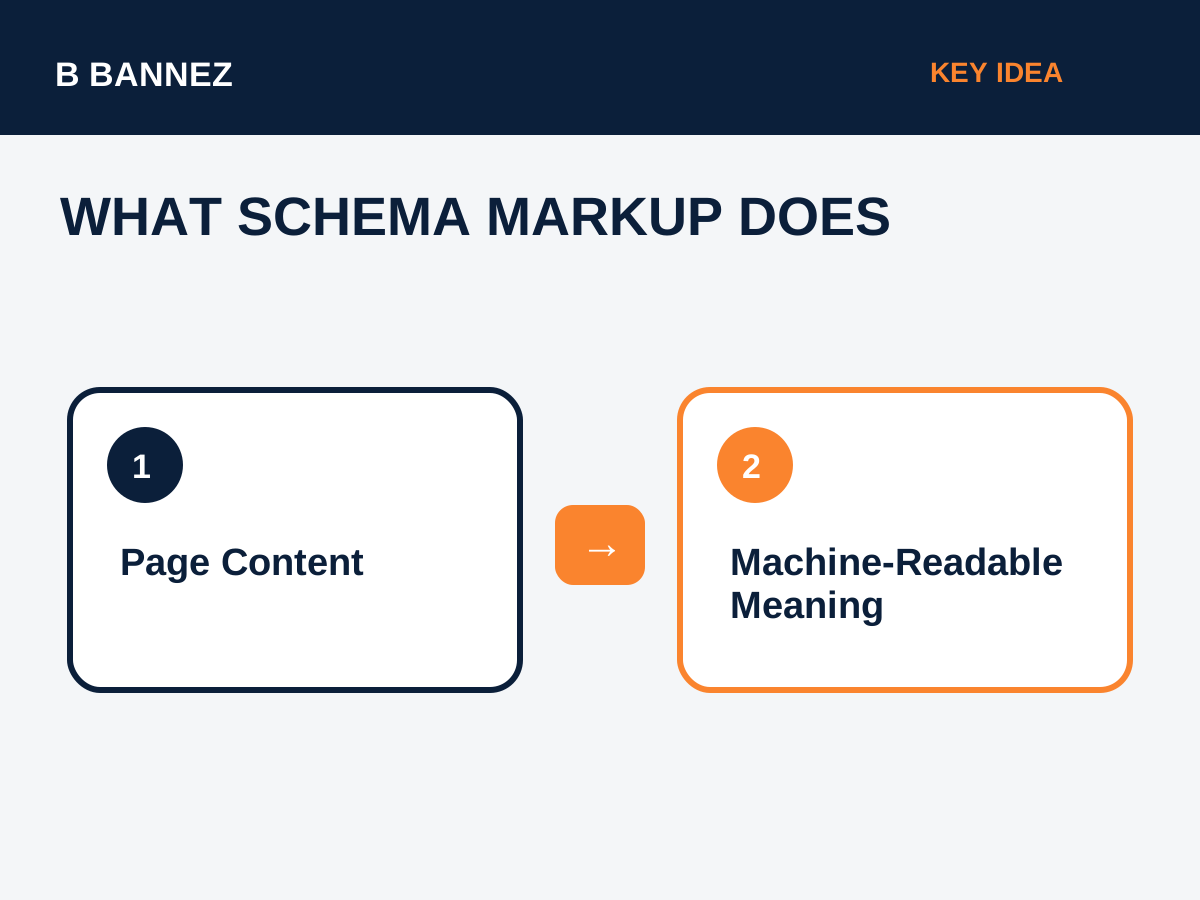
Schema markup, often called structured data, is machine-readable code that helps search engines understand the meaning and relationships behind information on a web page. For a business website, structured data can clarify the organization name, logo, website identity, breadcrumbs, articles, products, local business details, and other entities when those details actually exist on the page.
Google publishes detailed structured data documentation and supports JSON-LD for many search features. Structured data can improve understanding and eligibility for supported rich results, but it does not guarantee that Google will display a special result.
What Is Schema Markup?
Schema markup is a vocabulary used to describe entities and properties in a standardized way. A page can contain ordinary text for users and structured data for machines. Search engines can combine both signals to better interpret the page.
Why Business Websites Use Structured Data
- Clarify the official organization or business identity.
- Provide a crawlable logo and official URL.
- Connect the website with relevant public profiles using supported properties.
- Describe breadcrumbs and page relationships.
- Mark up articles, products, events, or other supported content where appropriate.
Common Schema Types for Business Websites
Organization
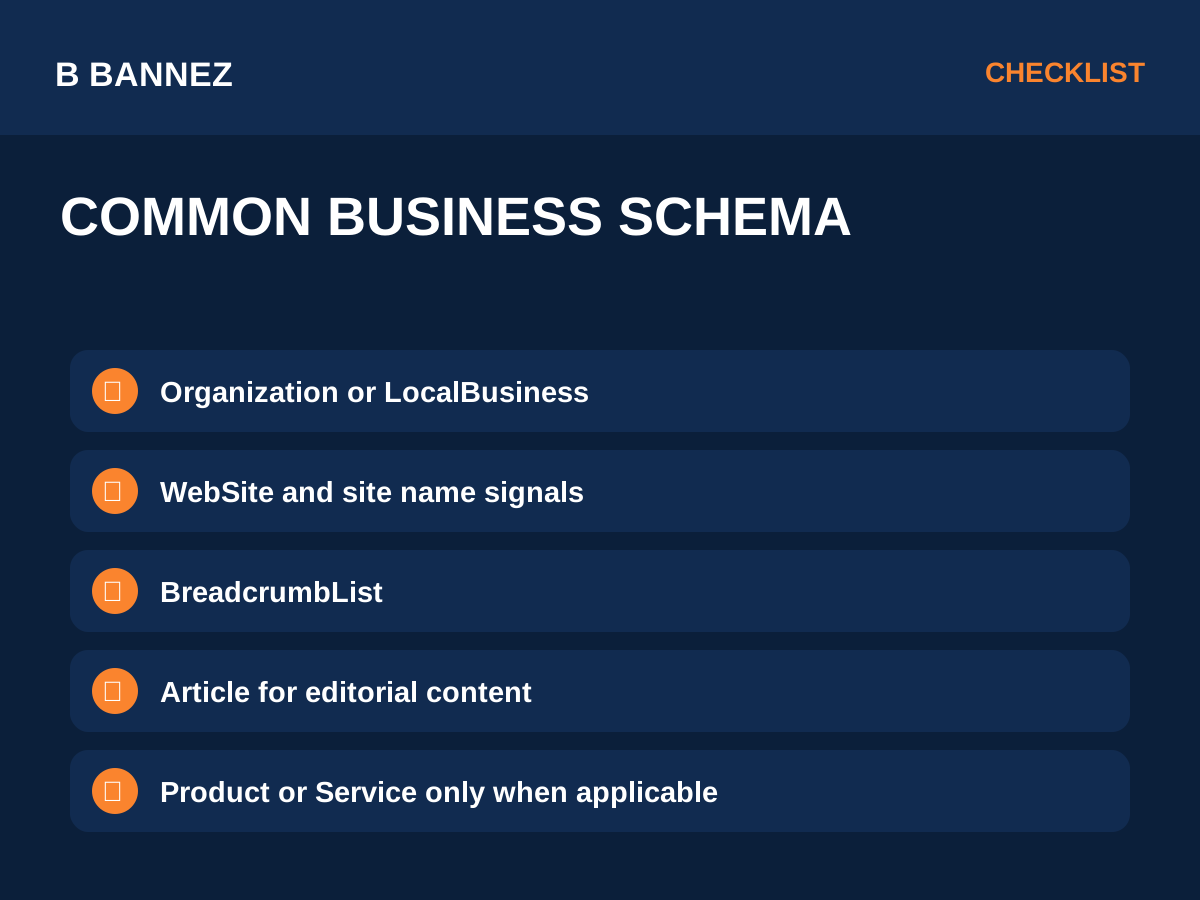
Organization structured data can help Google understand the organization behind a website. Google’s official Organization structured data documentation includes properties such as name, URL, logo, contact information and sameAs profiles.
WebSite
WebSite markup describes the website itself and is especially relevant to site-name signals. Google recommends WebSite structured data on the home page when indicating a preferred site name.
BreadcrumbList
Breadcrumb structured data explains a page’s position in a site hierarchy and can help search engines understand navigation paths.
Article
Blog posts and editorial guides can use Article or a more specific article type when the page genuinely contains editorial content.
Organization Schema vs Website Schema
These two types describe different entities. Organization describes the business or organization; WebSite describes the website. Read our dedicated guide Organization Schema vs Website Schema for a direct comparison.
How to Implement Schema Markup Correctly
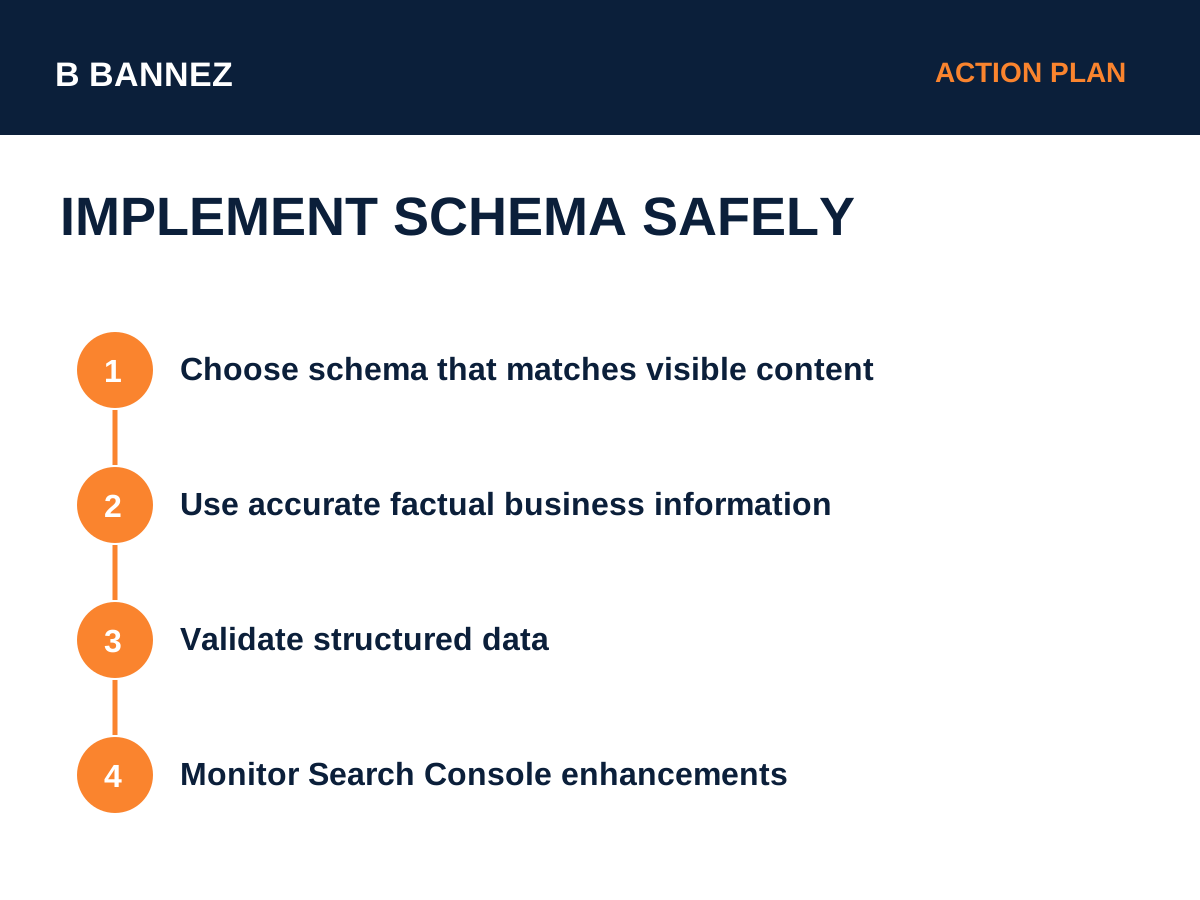
- Choose a schema type that matches the visible page content.
- Use accurate names, URLs, logos and contact details.
- Prefer one coherent entity graph instead of conflicting duplicate markup.
- Validate syntax and supported properties.
- Monitor Search Console for structured-data enhancement issues.
Common Schema Mistakes
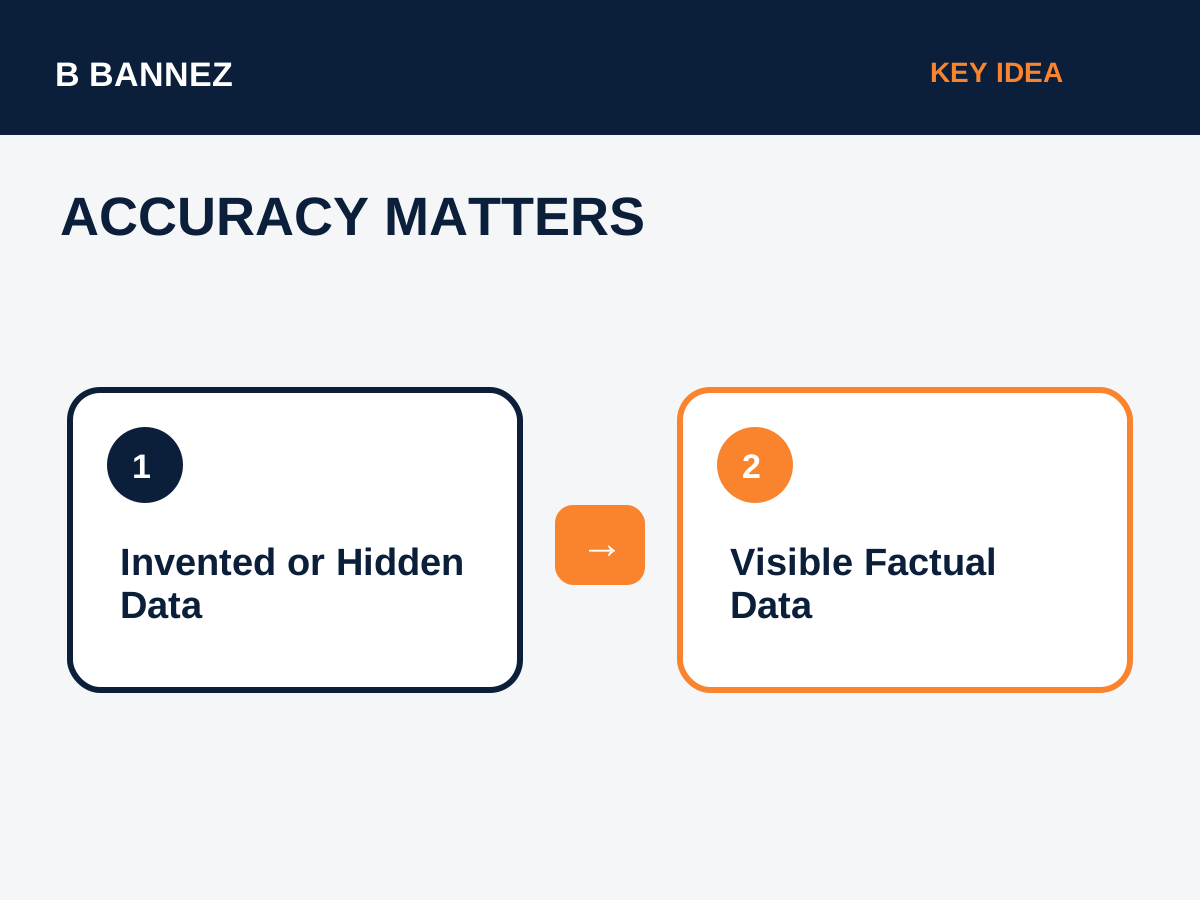
Adding information users cannot see
Structured data should represent the page, not invent hidden facts or ratings.
Using the wrong schema type
Do not mark a normal business page as a product, recipe, event or review unless the content actually qualifies.
Duplicating conflicting Organization entities
Multiple plugins can output separate Organization objects with different names, logos or URLs. Audit existing markup before adding another SEO plugin or custom schema block.
Expecting guaranteed rich results
Valid markup creates eligibility and understanding signals, but presentation is controlled by search engines.
Schema Checklist for a Business Website
- Use consistent official business name and URL.
- Use a crawlable high-quality logo.
- Keep social profile URLs current.
- Match structured data with visible page information.
- Validate JSON-LD syntax.
- Avoid fake reviews, ratings or guarantees.
- Remove conflicting duplicate schema.
FAQs
Does schema markup improve rankings directly?
Google does not describe structured data as a direct ranking guarantee. Its main value is helping search systems understand content and enabling supported search features.
Is JSON-LD required?
Google supports several structured-data formats, but JSON-LD is widely recommended because it is easier to maintain separately from visible HTML.
Conclusion
Schema markup gives search engines a clearer machine-readable description of a business website. Use it to represent real entities accurately, not to manufacture signals. A clean implementation with Organization, WebSite, breadcrumbs and content-specific schema where appropriate can make a site easier for search systems to understand.
