
How Long Should a Blog Post Be for SEO?
There is no single blog post length that is best for SEO. A 700-word article can be excellent for a narrow question, while a detailed guide may need 2,000 words or more. The right length depends on the topic, search intent, level of explanation required, and how much useful information the reader actually needs.
The goal is not to hit a word-count target. The goal is to answer the topic completely without adding filler.
Does Google Prefer Long Blog Posts?
Google does not publish a minimum or ideal word count for ranking. Its current SEO Starter Guide specifically warns against focusing on a magical word-count target.
Long content may perform well when a broad topic genuinely needs depth, but length alone does not make a page useful or relevant.
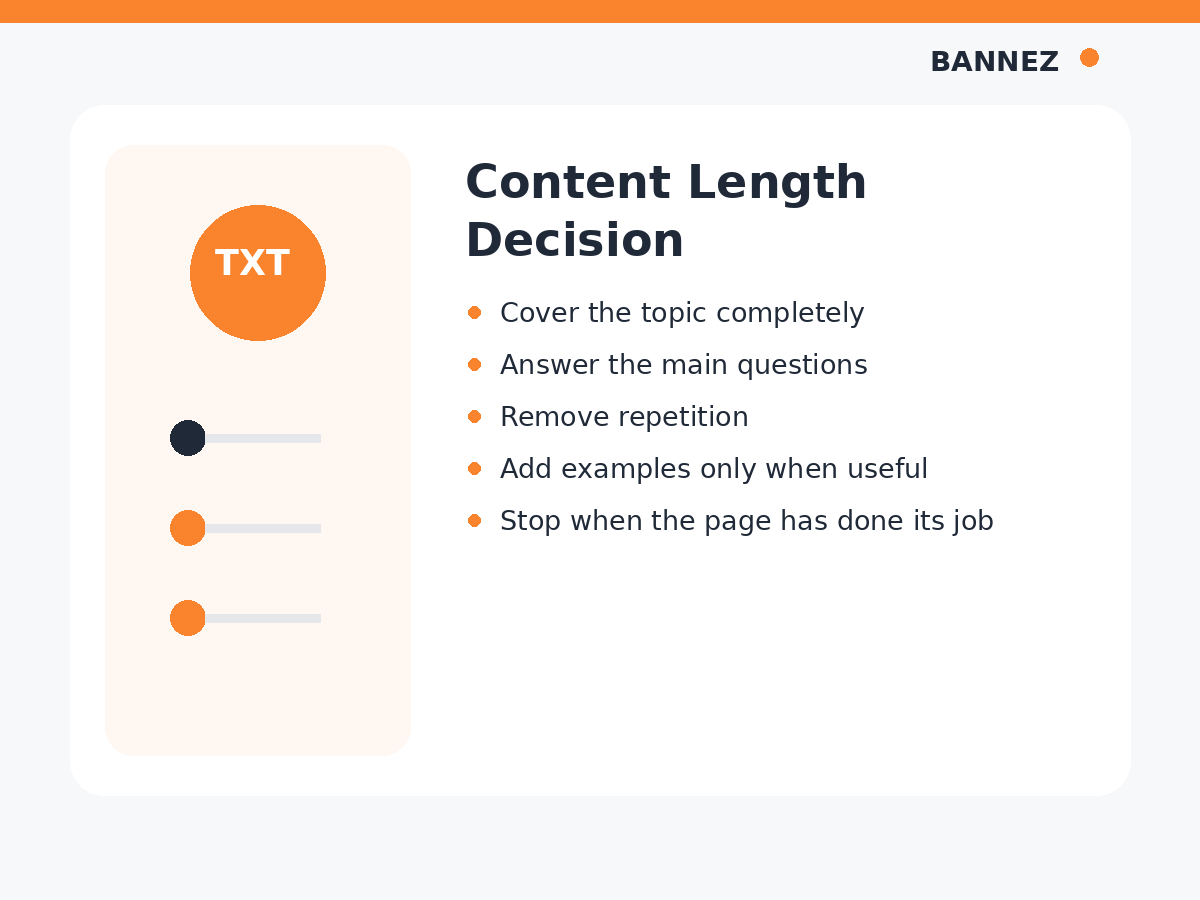
What Should Decide Blog Post Length?
1. Search intent
A simple definition normally needs less content than a complete beginner tutorial or a detailed comparison.
2. Topic complexity
A narrow question may be answered quickly. A complex topic with many steps, examples, risks, or decisions may require a much longer guide.
3. The reader’s level
Beginner content often needs more explanation. Expert content may assume more background knowledge and focus only on advanced details.
4. Useful examples and evidence
If examples, screenshots, data, or comparison tables improve understanding, the article can be longer for a good reason.
5. What is already covered elsewhere on your site
You do not need to repeat every related topic. Link to another article when it provides a better place for detailed information.
Short vs Medium vs Long Blog Posts
| Approximate length | Can work well for | Main risk |
|---|---|---|
| 500–900 words | Narrow questions, definitions, simple updates | May be too shallow for broad topics |
| 900–1,500 words | Standard tutorials, explanations, practical guides | Can become repetitive if the topic is simple |
| 1,500–2,500+ words | Detailed guides, complex comparisons, broad topics | Filler and unnecessary sections |
These ranges are only planning examples, not ranking rules.
How to Know When Your Article Is Long Enough
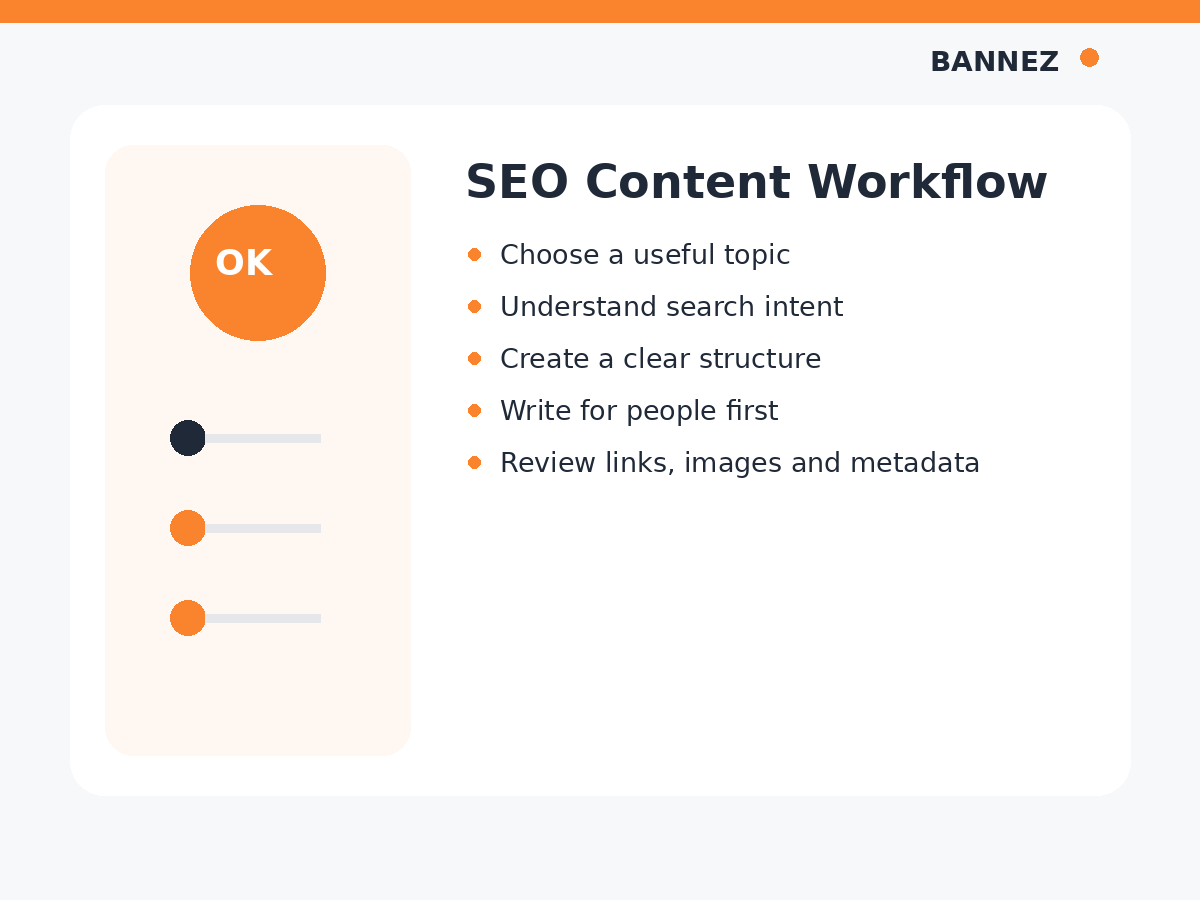
Ask these questions:
- Did I answer the main search question?
- Did I explain important subtopics?
- Are there obvious questions still missing?
- Does every section add new value?
- Could any paragraph be removed without losing useful information?
- Does the conclusion give the reader a clear next step?
If the topic feels complete and the remaining additions would only repeat earlier ideas, the post is probably long enough.
Why Writing to a Fixed Word Count Can Be a Problem
Fixed word counts can be useful for managing assignments, but they become harmful when writers add unnecessary sentences only to reach a target.
Common filler problems
- Repeating the same point in different words
- Adding broad history that does not help the query
- Creating unnecessary H2 sections
- Expanding simple definitions into long paragraphs
- Adding generic advice with no practical value
Google’s people-first content guidance recommends substantial, complete and useful information rather than content created mainly for search engines.
Does Longer Content Rank Better Because It Has More Keywords?
Not automatically. A longer article may naturally cover more related phrases because it discusses more aspects of a topic. That is different from deliberately repeating keywords.
Keyword use should follow the content. Choose the main topic first, then use related terms where they accurately describe the sections.
How Headings Affect Long Content
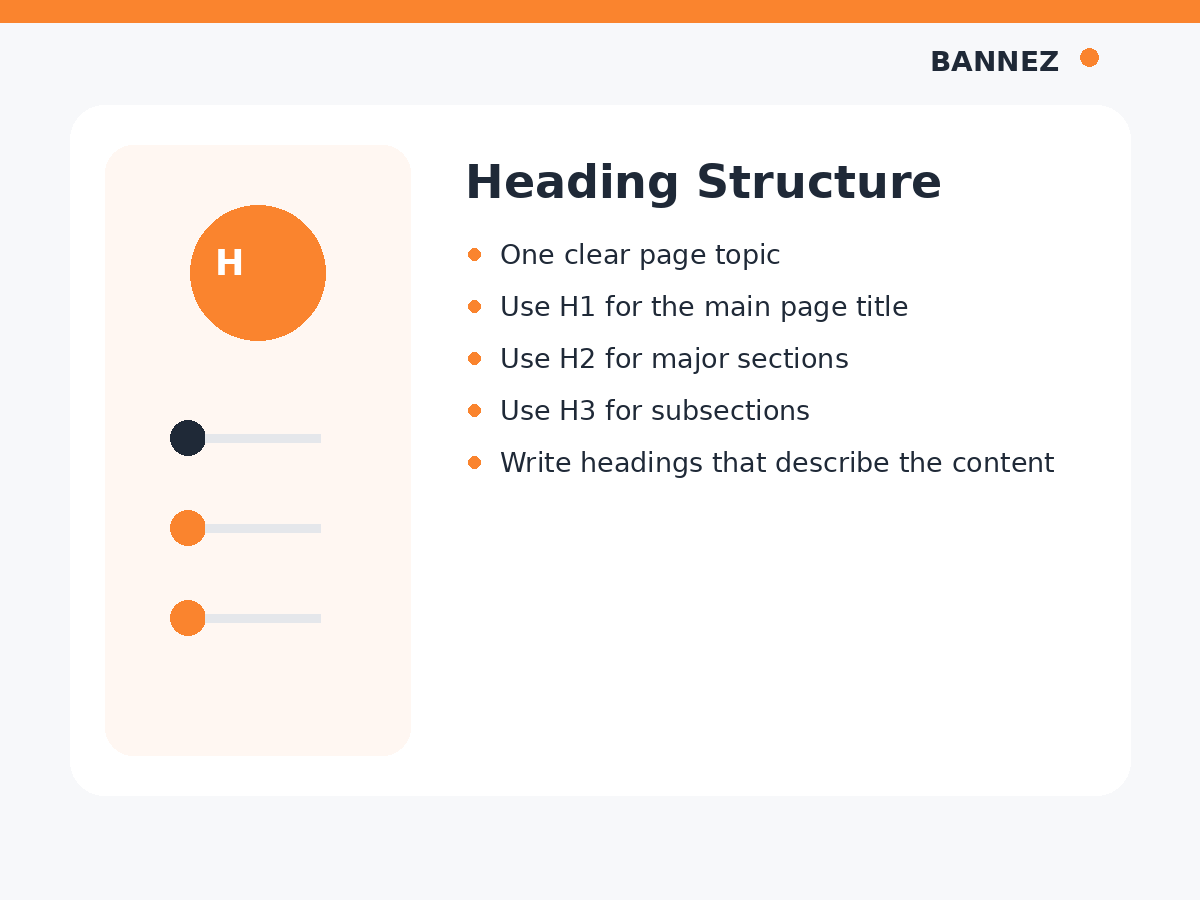
Long articles need stronger organization. Use H2 headings for major sections and H3 headings for smaller questions or steps. This makes a long post easier to scan and helps readers jump to the information they need.
Read our guide on using H1, H2 and H3 correctly in blog posts for a full heading structure.
Should You Copy the Word Count of Top-Ranking Pages?
You can study competing pages to understand topic depth, but copying their word count is not a reliable strategy. Competitors may be long because their page covers extra topics, includes user-generated content, or targets a broader intent.
Use competitor research to find missing questions and useful angles, not to create an arbitrary target such as “write 500 words more than position one.”
How to Reduce an Article That Is Too Long
- Remove repeated explanations
- Combine overlapping sections
- Turn large side topics into separate articles
- Replace long prose with a useful table or checklist
- Remove examples that do not improve understanding
- Link to deeper resources instead of repeating them
How to Expand an Article That Is Too Short
Add content only when a useful question is missing.
- Explain important terms
- Add a step-by-step process
- Add a comparison table
- Answer common follow-up questions
- Add a relevant example
- Add authoritative evidence or documentation
- Explain common mistakes
Word Count Checklist
- Topic and intent are clear
- Main question is answered
- Important subtopics are covered
- No major reader question is ignored
- Each section adds new information
- No keyword or paragraph is repeated only for length
- Long sections use clear headings
- Related side topics are linked instead of duplicated
- Conclusion gives a useful next step
Frequently Asked Questions
Is 500 words enough for SEO?
It can be enough for a narrow topic if the page answers the question well. For a broad or competitive topic, 500 words may not provide enough detail.
Is 2,000 words better than 1,000 words?
Only if the extra 1,000 words add useful information. More words by themselves do not guarantee better rankings.
Should every blog post be long-form content?
No. Use long-form content when the topic needs it. Shorter posts are appropriate for focused questions and simple updates.
Can I set word-count ranges for writers?
Yes, as an editorial guideline. Treat the range as flexible so the writer can prioritize completeness and clarity.
Need Content in a Specific Word Count?
If you need SEO content written to a practical word-count range with a featured image, you can explore our SEO Content Writing for Any Topic – Choose Your Word Count service.
Conclusion
There is no universal best blog post length for SEO. Decide length from search intent, topic complexity, reader needs, and the amount of useful information required to answer the question completely.
Write enough to be genuinely helpful, remove repetition, and stop when the page has completed its job. Useful depth is a better target than a fixed number of words.
