
New Visitors vs Returning Visitors in GA4
New Visitors vs Returning Visitors in GA4
Website owners often ask whether new visitors or returning visitors are better. In Google Analytics 4, both groups can tell you something useful, but neither is automatically more valuable without context.
New visitors can show how effectively your website attracts fresh audiences. Returning visitors can indicate repeat interest, brand familiarity, ongoing research or customer loyalty.
What Is a New Visitor in GA4?
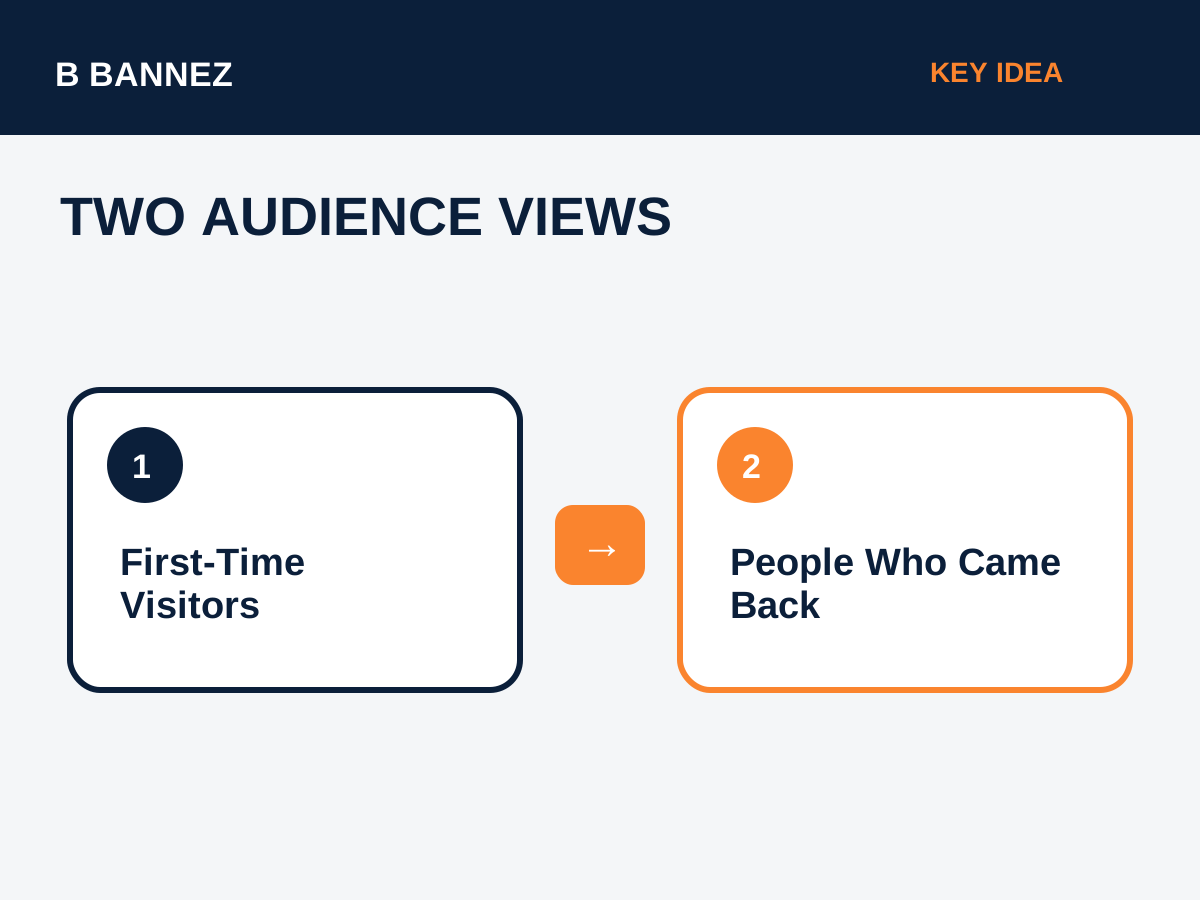
A new visitor is generally a user whose interaction is recognized as a first visit or first open in GA4. Google Analytics uses events such as first_visit to identify first-time website users.
What Is a Returning Visitor?
A returning visitor is a person who has interacted with the site before and comes back again, based on the identifiers and data available to GA4.
Because analytics depends on cookies, consent, device identifiers and browser behavior, user classification is not a perfect real-world identity system. One person can sometimes appear as multiple users across devices or after data is cleared.
New vs Returning Visitors: What Each Can Tell You
| Audience | Useful Questions |
|---|---|
| New visitors | Are we reaching fresh audiences? Which channels introduce people to the site? |
| Returning visitors | Do people come back? Which content or campaigns build repeat interest? |
Metrics to Compare Alongside User Type
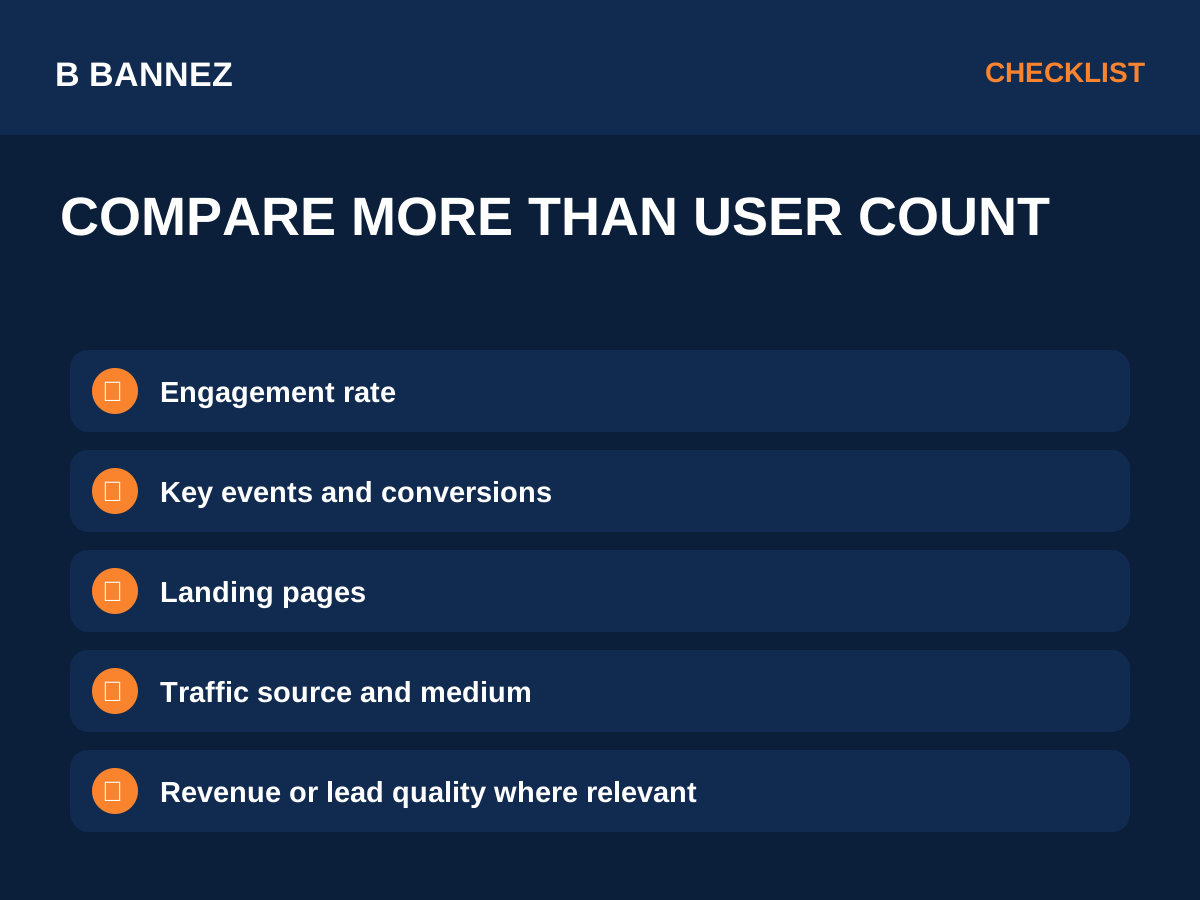
Do not compare only the number of users. Review:
- Engagement rate.
- Key events and conversions.
- Average engagement time.
- Landing pages.
- Source and medium.
- Revenue or lead quality if applicable.
For engagement metrics, read GA4 Engagement Rate vs Bounce Rate.
How to Analyze New and Returning Visitors
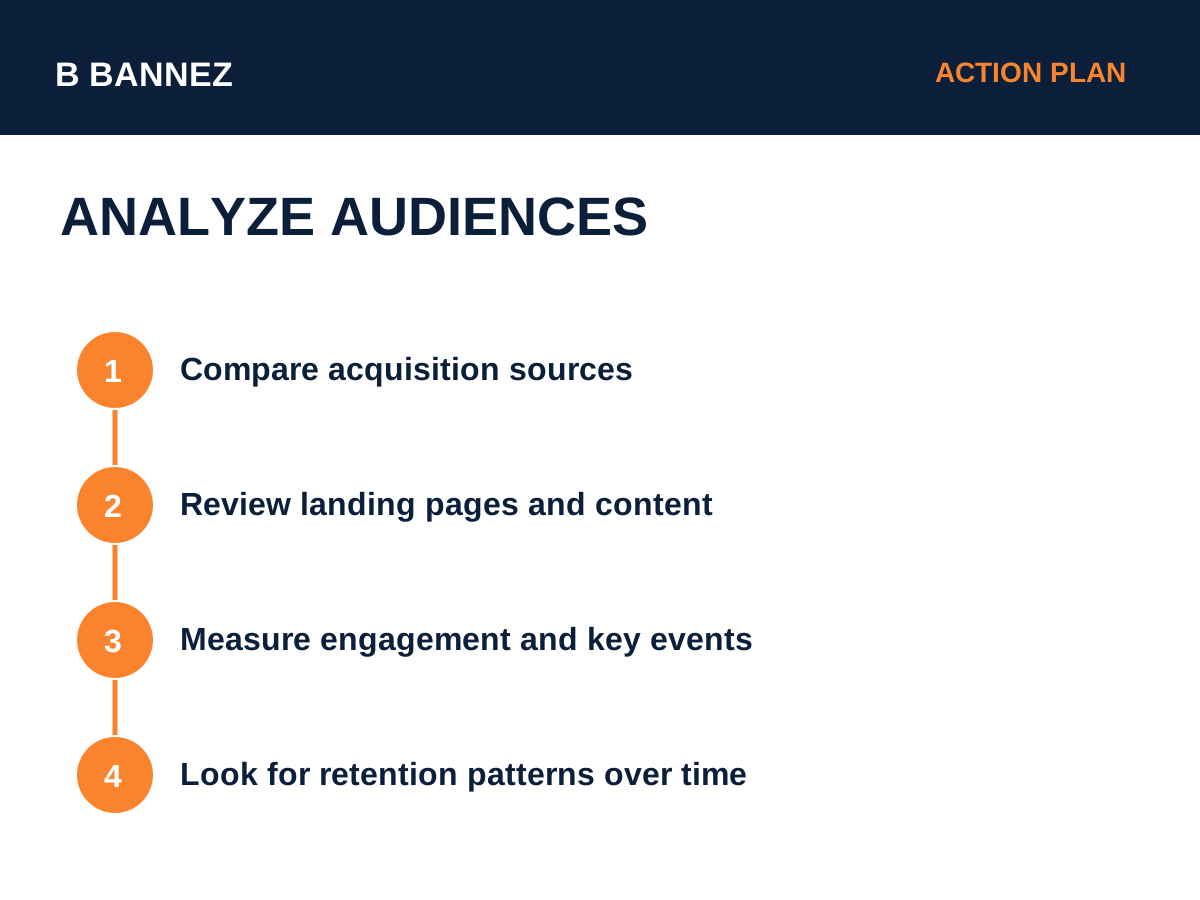
1. Compare acquisition channels
Organic search may attract new visitors while email or direct traffic may contain more returning users. Look for patterns rather than universal rules.
2. Compare landing pages
New visitors may enter through educational content. Returning visitors may go directly to service, product or account pages.
3. Compare conversions
A returning visitor may convert more often because they already know the brand, but this is not guaranteed. Measure your own data.
4. Review retention over time
For businesses with repeat-use products, subscriptions or regular content, returning behavior can be an important retention signal.
Why Both Audiences Matter
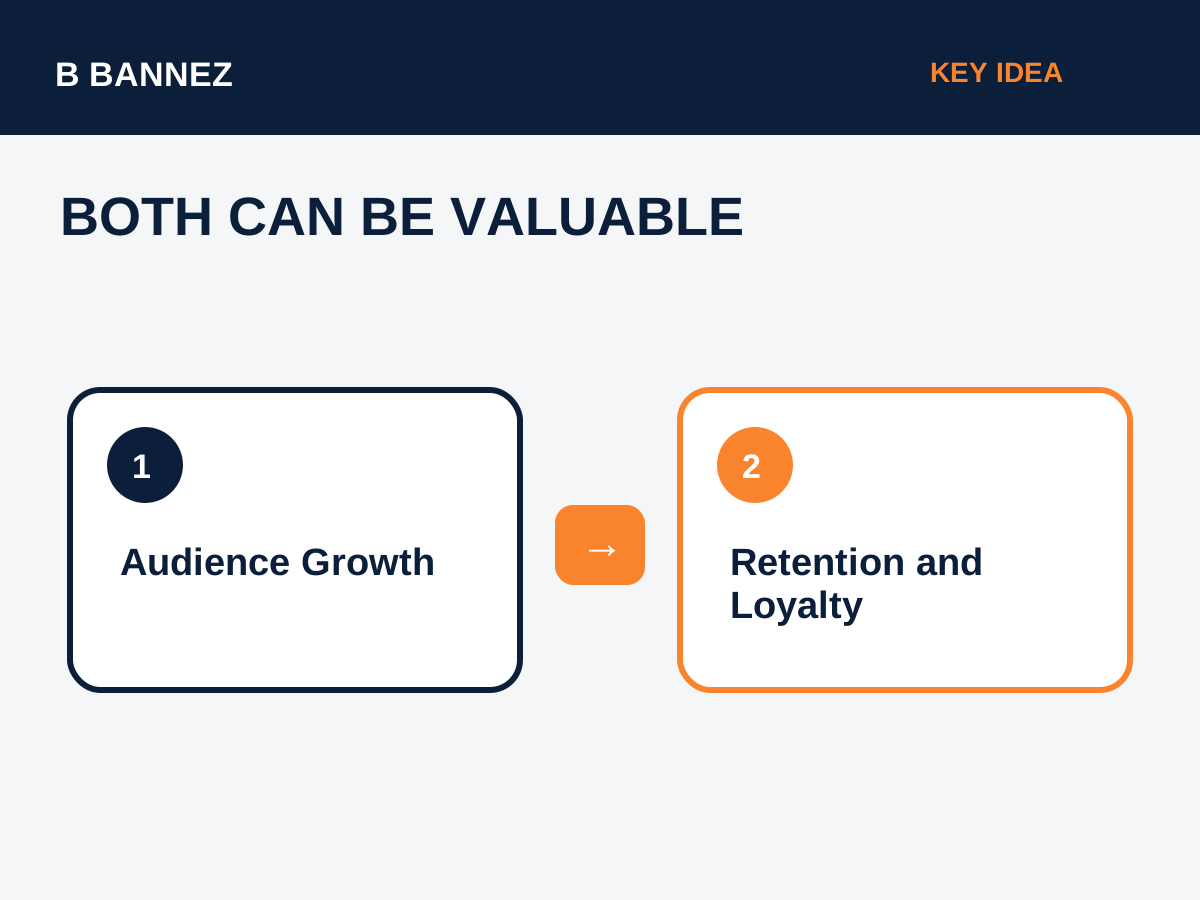
A healthy growth strategy often needs both audience acquisition and retention. A site with only new visitors may struggle to build loyalty, while a site with only returning visitors may not be expanding its reach.
Common Mistakes
- Assuming returning users are always better.
- Ignoring cross-device limitations.
- Comparing user counts without conversion context.
- Using one week of data to make long-term decisions.
- Ignoring consent and privacy-related measurement gaps.
FAQs
Can the same person be counted as new more than once?
Yes, depending on device, browser, identifiers, cookie deletion and consent conditions.
Should an e-commerce site want more returning users?
Repeat visitors can be valuable, but acquisition of new customers also matters. The right balance depends on the business model.
Where can I learn more about GA4 users?
Google’s official Analytics dimensions and metrics documentation explains user-related reporting concepts.
Conclusion
New visitors show audience acquisition; returning visitors can reveal repeat interest and retention. Use both segments with engagement, conversion and acquisition data to understand the full customer journey instead of treating either group as automatically better.
