
What Is Search Intent and Why Does It Matter for SEO?
Search intent is the goal behind a search query. Two people can use similar words but expect very different results: one may want a quick definition, another may want a step-by-step guide, and another may be ready to compare or buy.
Understanding that goal helps you create content that answers the right question in the right format. This is why search intent is one of the most useful ideas in SEO content planning.
What Is Search Intent?
Search intent, sometimes called user intent, describes what a person is trying to accomplish when they search. The exact wording of the query provides clues, but the expected result type also matters.

Common Practical Types of Search Intent
SEO practitioners often group queries into a few practical intent types. These categories are a useful planning model, not an official four-part taxonomy that Google requires.
Informational intent
The user wants to learn something. Examples include “what is SEO content writing” or “how to add images to a blog post.”
Navigational intent
The user is trying to reach a specific website, brand, product page, or online destination.
Commercial research intent
The user is comparing options before making a decision. Examples include “Squarespace vs WordPress” or “best website builder for small business.”
Transactional intent
The user is ready to take an action such as buying, booking, signing up, or requesting a service.
Why Search Intent Matters for SEO
A page can be well written and technically optimized but still struggle if it answers the wrong need. A searcher looking for a beginner explanation may not want a sales page, while someone searching for a specific service may not want a long general definition.
Google’s people-first content guidance emphasizes useful content created for people. Matching the page to the likely user need supports that goal.
How Intent Changes the Content Format
| Likely intent | Useful content format | Example |
|---|---|---|
| Learn | Guide, tutorial, definition | What is search intent? |
| Compare | Comparison, pros and cons | WordPress vs Squarespace |
| Evaluate | Review, checklist, case study | Best platform for a small business |
| Act | Service, product, booking page | SEO content writing service |
How to Identify Search Intent
1. Read the wording of the query
Words such as “what,” “how,” “vs,” “best,” “price,” “service,” and “buy” can provide clues.
2. Review the search results
Look at the types of pages that appear for the query. If results are mostly tutorials, a short product page may not match the current need well.
3. Check your Search Console queries
Real query data can show how people already discover your site. Google’s Search Console Performance report guidance explains how to inspect queries, pages, clicks and impressions.
4. Compare the query with your page goal
Ask whether the visitor can complete the likely task after landing on the page.
Search Intent and Keyword Research
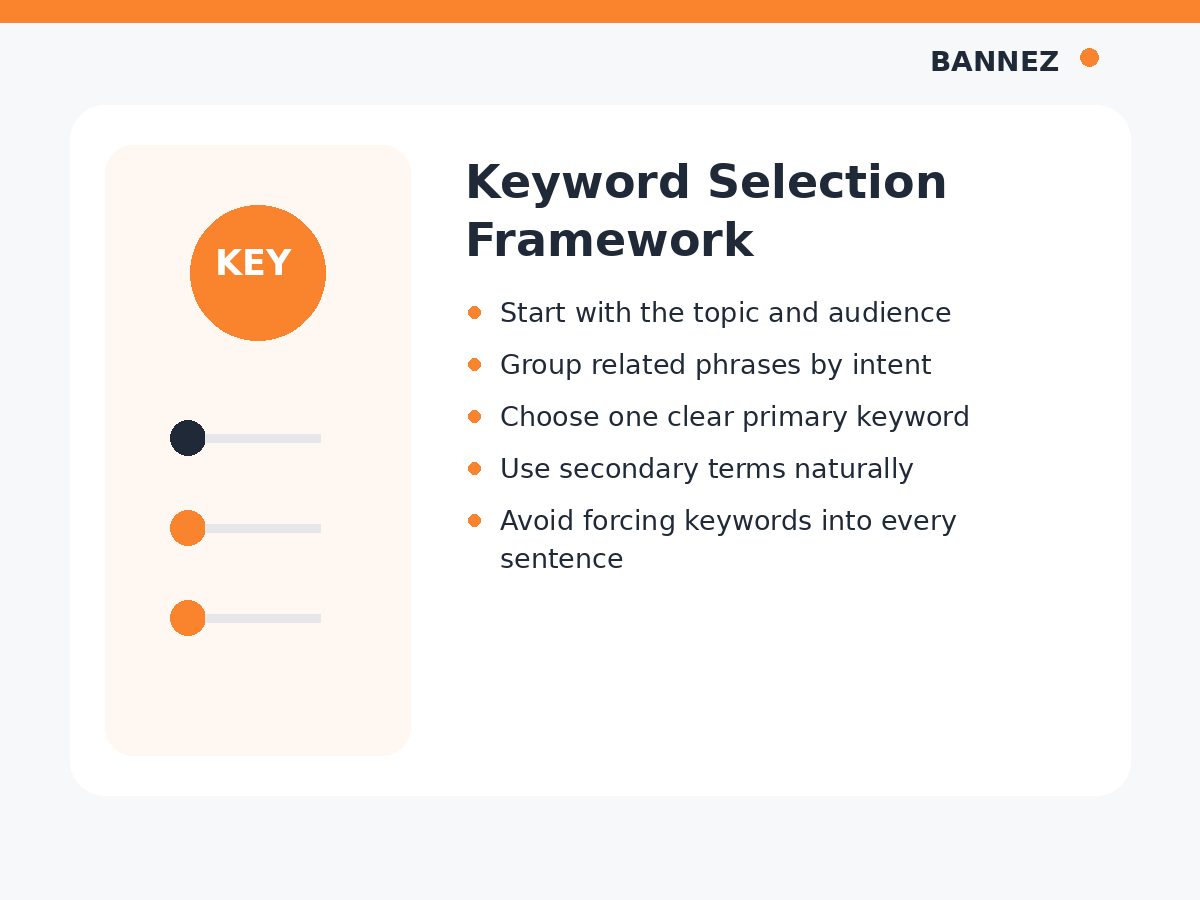
Keyword volume alone cannot tell you whether a topic is right for your page. Two keywords with similar volume may require completely different content.
That is why our guide on how to choose keywords for a blog post treats intent as a core decision factor.
Can One Keyword Have Mixed Intent?
Yes. Some searches are ambiguous. Search results may contain guides, videos, product pages, and comparison pages because different users mean different things.
In those cases, choose the intent that best fits your audience and website. Do not try to force one page to satisfy several unrelated goals.
Search Intent and Blog Structure
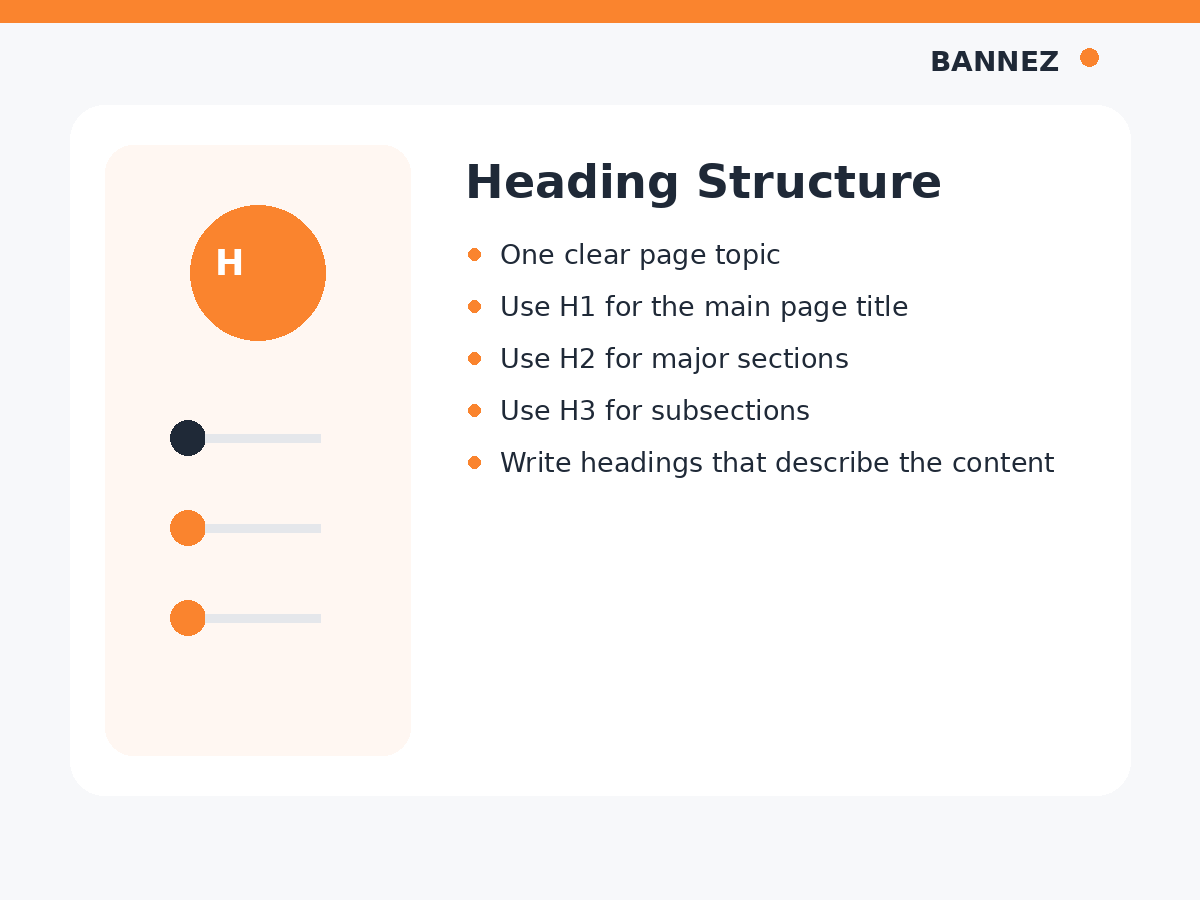
Once intent is clear, structure becomes easier. A beginner tutorial may need numbered steps and definitions. A comparison may need a table. A checklist query may need a scannable list instead of a long essay.
Common Search Intent Mistakes
- Choosing a keyword only because it has high volume
- Writing a sales page for an informational query
- Writing a broad guide for a highly specific action query
- Copying competitor headings without understanding why the page format works
- Targeting several different intents on one page
- Ignoring changes in search results over time
How to Improve a Page That Does Not Match Intent
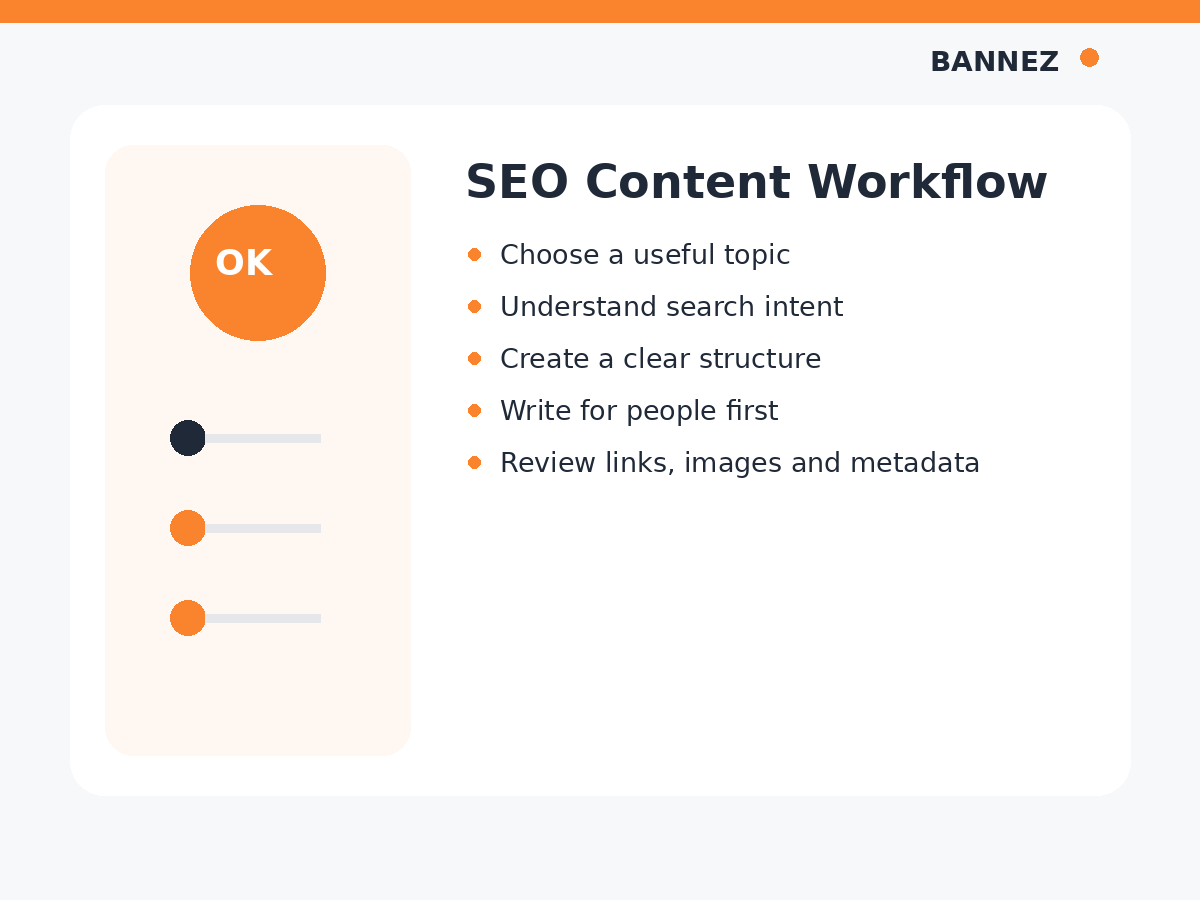
- Identify the main query or topic.
- Review what the visitor is likely trying to accomplish.
- Check whether the current page format matches that need.
- Rewrite the introduction so it answers the main question quickly.
- Add or remove sections based on the real task.
- Improve internal links and the call to action.
- Monitor performance after the change.
Search Intent Checklist
- Main query is clearly defined
- Likely user goal is understood
- Page type matches the goal
- Introduction confirms the answer quickly
- H2 and H3 sections support the main task
- Keyword choices share the same intent
- Call to action fits the stage of the user journey
- Search Console queries are reviewed when available
Frequently Asked Questions
Is search intent a ranking factor?
It is better to think of intent as a content-planning concept rather than a simple checkbox ranking factor. Pages that satisfy the user’s actual need are more useful and relevant.
Can search intent change over time?
Yes. Search behavior, products, news and result formats can change. Review important pages periodically.
Should every keyword have its own page?
No. Keywords with the same underlying intent can often be covered naturally on one strong page.
How do I know if I picked the wrong intent?
Compare the query, current search results, your page format and real performance data. If the page answers a different task from what users expect, revise the format or topic.
Need Help Creating Search-Focused Content?
If you need professionally structured SEO content based on a clear topic and reader goal, you can explore our SEO Content Writing for Any Topic service.
Conclusion
Search intent is the purpose behind a query. Understanding it helps you choose better keywords, select the right content format, build a clearer outline and create a page that solves the reader’s actual problem.
Before writing your next article, define the likely user goal in one sentence. If every major section supports that goal, your content plan is much stronger.
