

Why Visitor Location Matters for Your Website
Visitor location matters because the same website visit can have very different value depending on where the visitor is located. A local service business, an international ecommerce store, a content website, and a global SaaS platform all need different geographic audiences.
Location is not the only measure of traffic quality, but it can influence language, currency, shipping, legal availability, advertising costs, conversion rates, and the overall relevance of a visit.
How Google Analytics Identifies Visitor Location
Google Analytics 4 includes geography dimensions such as Country, Region, City, Continent, and Subcontinent. Google explains that geography dimensions are approximated from the IP address of the traffic.
See Google’s official GA4 predefined user dimensions documentation.
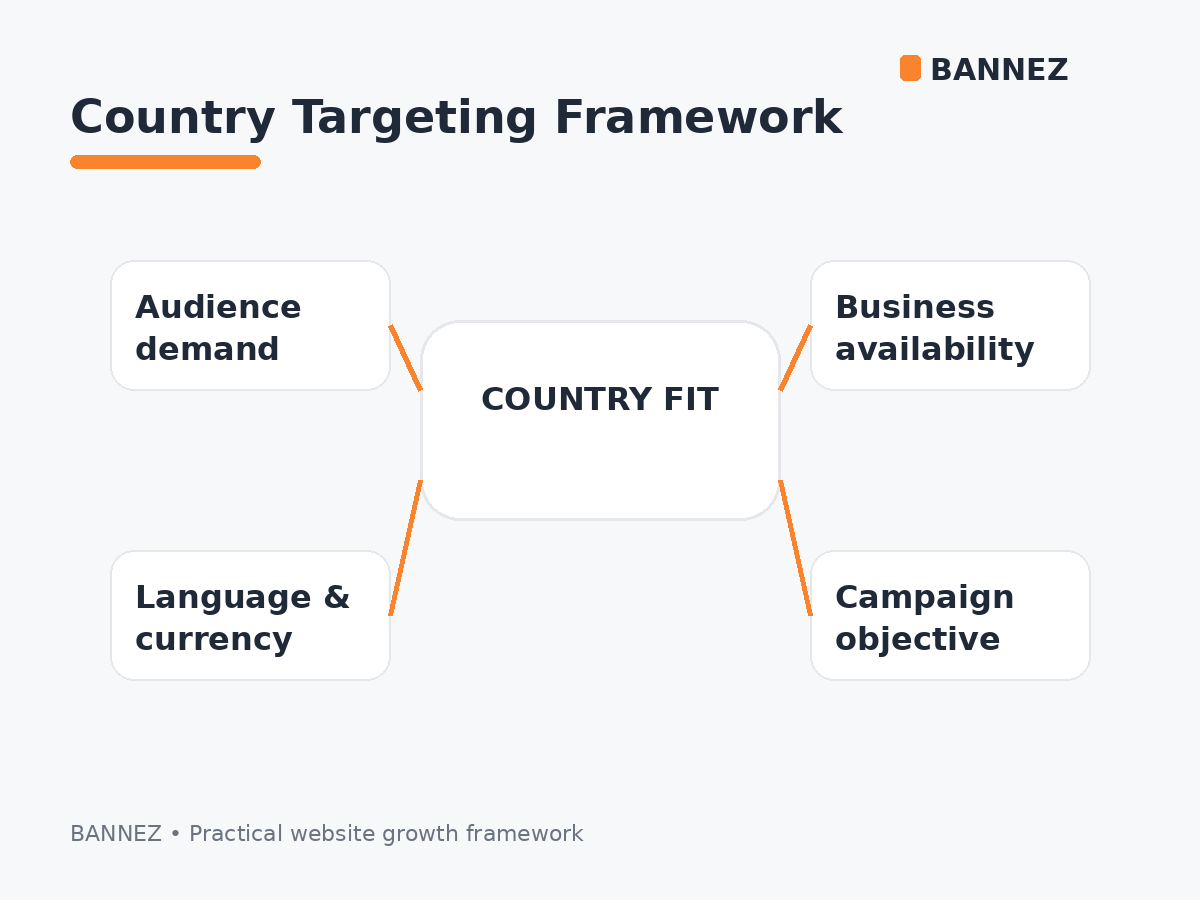
Why Location Can Affect Website Value
Product and service availability
If a business serves only the United States, traffic from countries where it cannot deliver may create visits without realistic conversion opportunities.
Language
A visitor may leave quickly when the website language does not match what they can comfortably understand.
Currency and pricing
Prices that make sense in one market may feel expensive or confusing in another, especially when local currency is not supported.
Shipping and delivery
Ecommerce sites need traffic from places they can actually ship to. Geographic mismatch can create abandoned sessions and checkout problems.
Local trust and expectations
Payment methods, phone numbers, address formats, legal pages, and customer expectations can vary by country.
Visitor Location and Traffic Quality
A relevant country does not automatically mean a high-quality visitor. The person still needs to match the topic, offer, and purpose of the page.
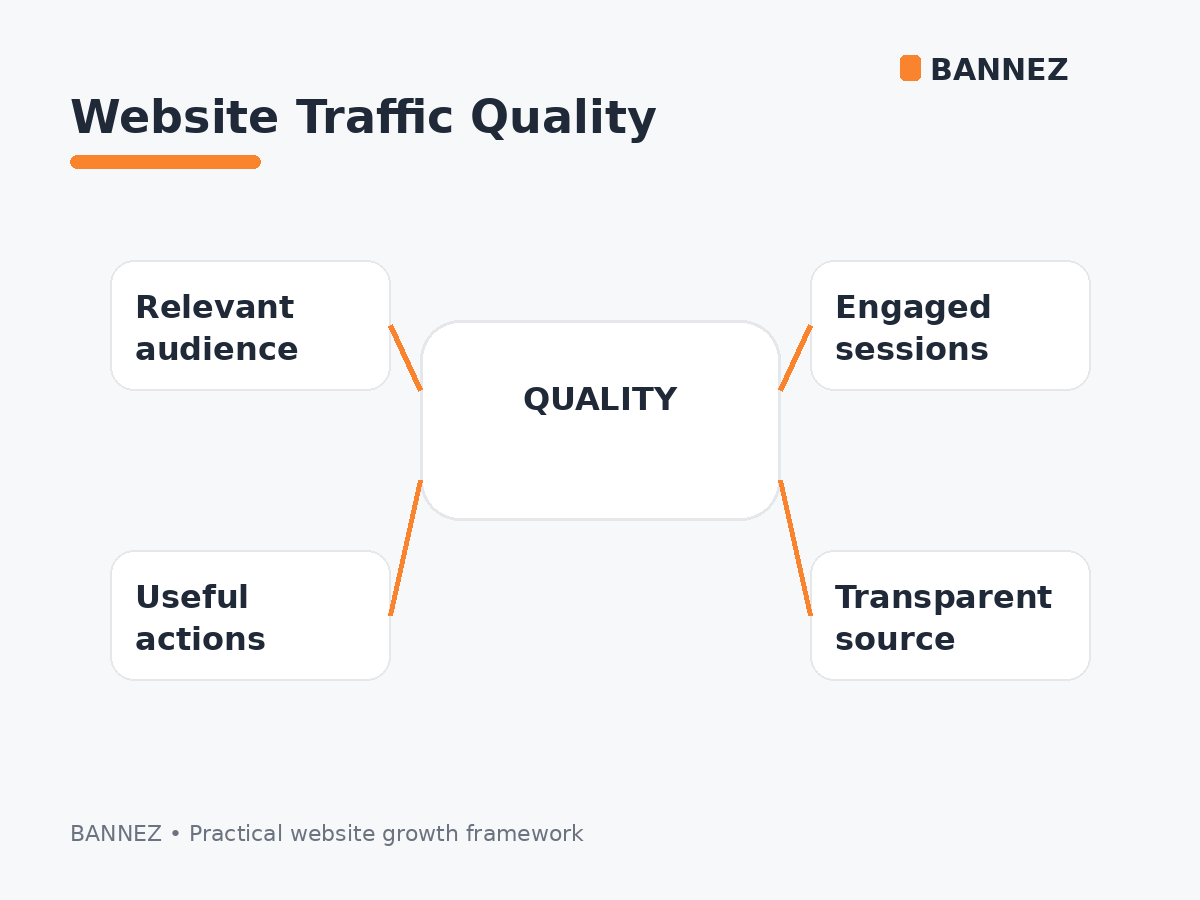
Strong geographic traffic normally combines
- Relevant country or region
- Relevant search or campaign intent
- Suitable language
- Available product or service
- Good landing-page experience
- Useful actions after arrival
When Visitor Location Matters Most
| Website type | Why geography matters |
|---|---|
| Local service | Only selected service areas are useful |
| Ecommerce | Shipping, currency, tax, and delivery vary |
| Publisher | Audience value and monetization may vary by market |
| SaaS | Language, pricing, regulations, and support vary |
| Global blog | Geography may matter less if content is universal |
When Location Matters Less
Some websites have globally useful content or tools. A free calculator, broad tutorial, open-source documentation, or international community may benefit from visitors from many countries.
In those cases, worldwide traffic can be appropriate as long as the audience remains relevant.
Read our comparison of Worldwide Website Traffic vs Targeted Country Traffic.
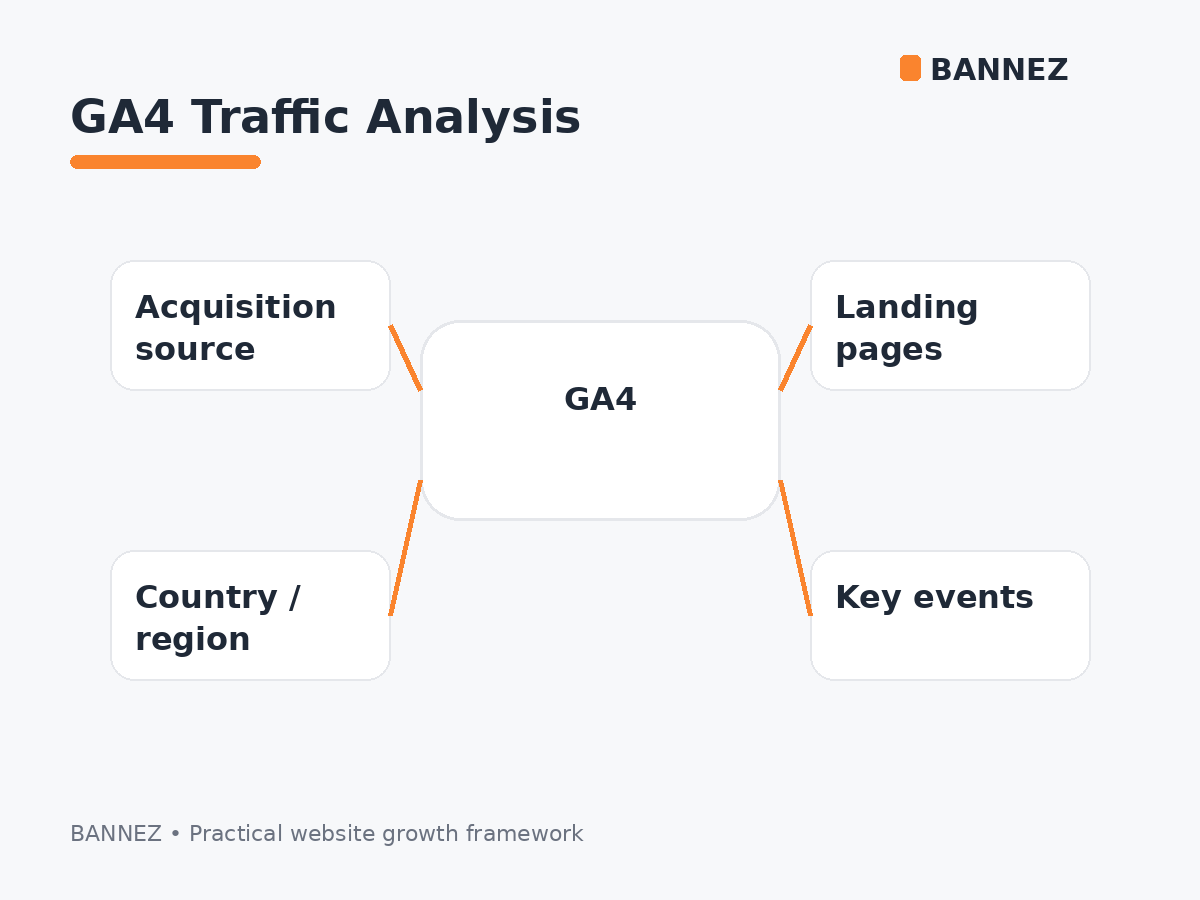
How to Analyze Visitor Countries in GA4
- Open your GA4 reports.
- Choose a report that supports geography dimensions.
- Review Country or Region.
- Compare users and sessions.
- Add engagement and key events.
- Compare landing pages by location.
- Look for countries with traffic but weak business outcomes.
Google’s Demographic details report includes Country, Region, and City dimensions.
Do Not Judge Countries Only by Traffic Volume
A country sending the most sessions is not necessarily the best market. Compare quality metrics and business outcomes.
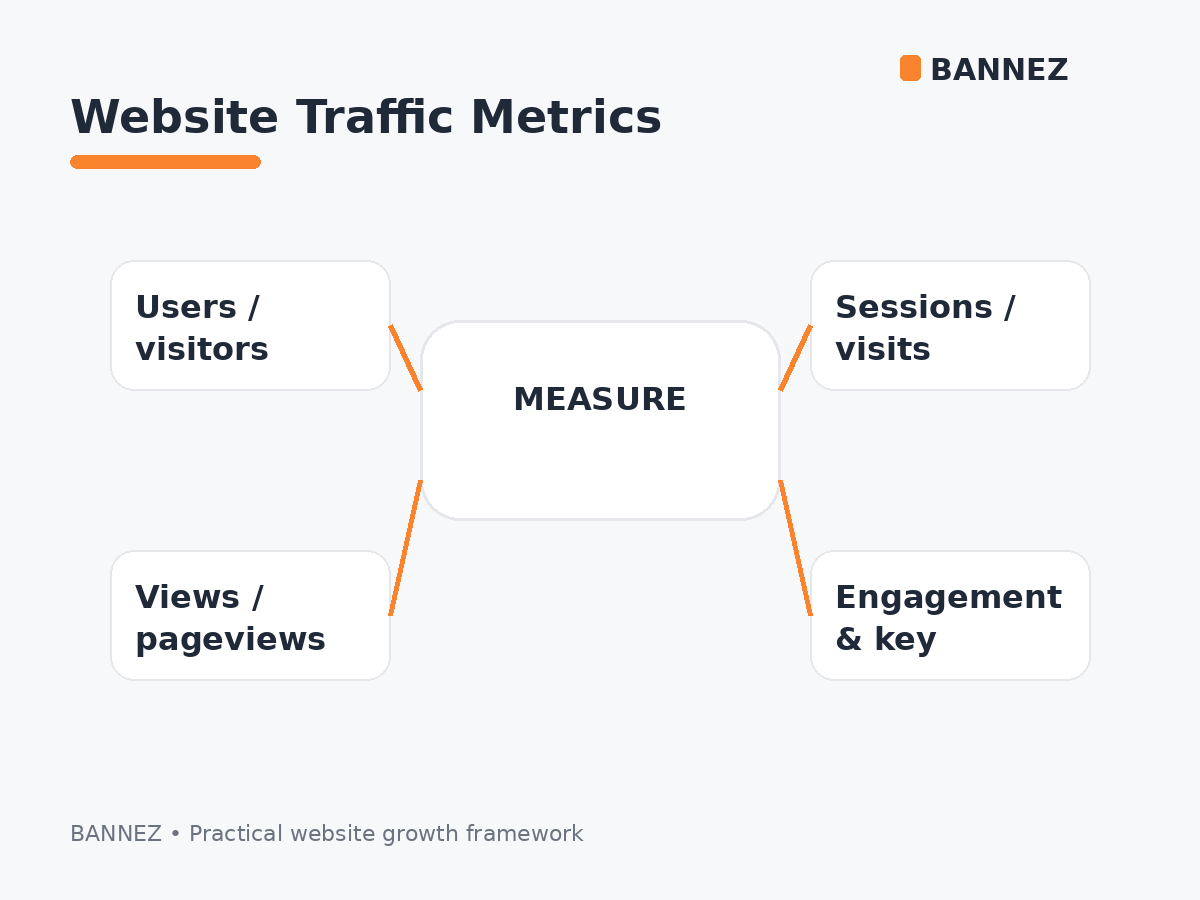
Useful comparison metrics
- Engagement rate
- Average engagement time
- Key events
- Lead quality
- Purchases or revenue
- Returning users
Location and Paid Traffic Campaigns
Paid campaigns often allow geographic targeting. The right choice should follow the real business market instead of assuming that a country with higher purchasing power is automatically better.
If you need broad paid visits for a worldwide campaign objective, you can explore our Worldwide Website Traffic service.
Location and Organic Search Traffic
Organic search traffic should also be analyzed geographically. Search demand, language, competition, and local relevance can vary widely between countries.
Google’s SEO guidance emphasizes useful content for users rather than creating pages only to manipulate search rankings. See the SEO Starter Guide.
Common Location-Targeting Mistakes
- Targeting countries the business cannot serve
- Ignoring language differences
- Using one currency for markets that expect another
- Assuming Tier 1 always means better traffic
- Ignoring mobile performance in target regions
- Looking only at users instead of key events
- Forgetting that GA4 geography is approximate
Visitor Location Checklist
- Target markets are clearly defined
- Website supports those countries
- Language and currency fit
- Shipping or service availability is confirmed
- GA4 country data is reviewed
- Engagement is compared by country
- Key events are compared by country
- Traffic volume is not treated as the only success metric
Frequently Asked Questions
Can Google Analytics show exact visitor location?
GA4 provides geography dimensions such as country, region, and city, but Google states that location data is approximated from IP information.
Is traffic from the United States always better?
No. It is useful only when the audience, offer, and campaign goal fit that market.
Should a global website target only high-income countries?
Not automatically. A global website should focus on markets that match its real audience and goals.
Conclusion
Visitor location matters when geography changes the value or usability of a visit. A relevant country can improve campaign focus, but location should always be evaluated together with intent, engagement, and conversions.
Use GA4 country and region data to find where useful visitors come from, then align your website experience and campaign targeting with those markets.
