
Shopify SEO vs WordPress SEO: What Is Different?
Shopify SEO vs WordPress SEO: What Is Different?
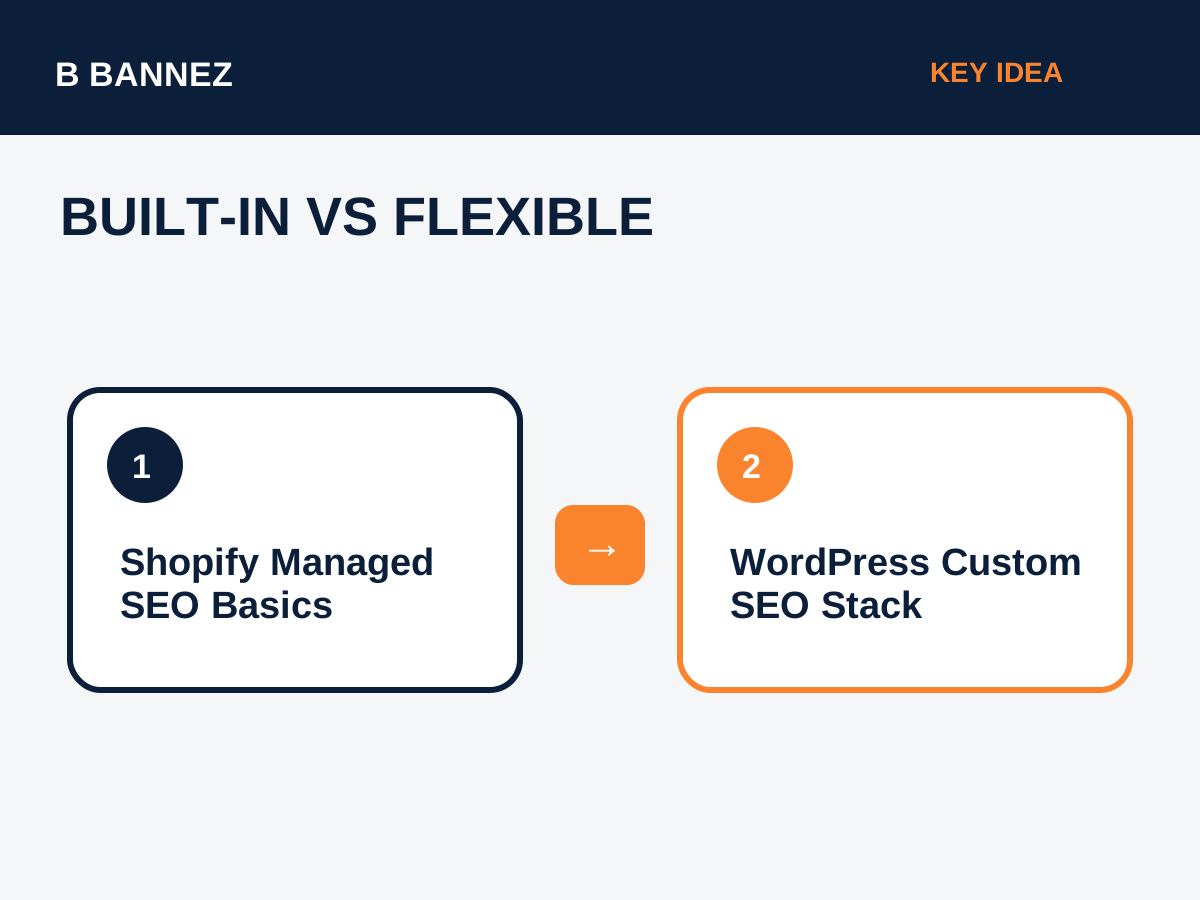
Shopify and WordPress can both support strong search engine optimization, but they approach SEO very differently. Shopify provides many technical SEO basics automatically as part of a managed e-commerce platform. WordPress gives website owners much more control, but that flexibility also means more responsibility for configuration, plugins, hosting and maintenance.
The better SEO platform is not simply the one with more settings. The right choice depends on whether you need a managed online store or a highly customizable content and website platform.
How Shopify Handles SEO
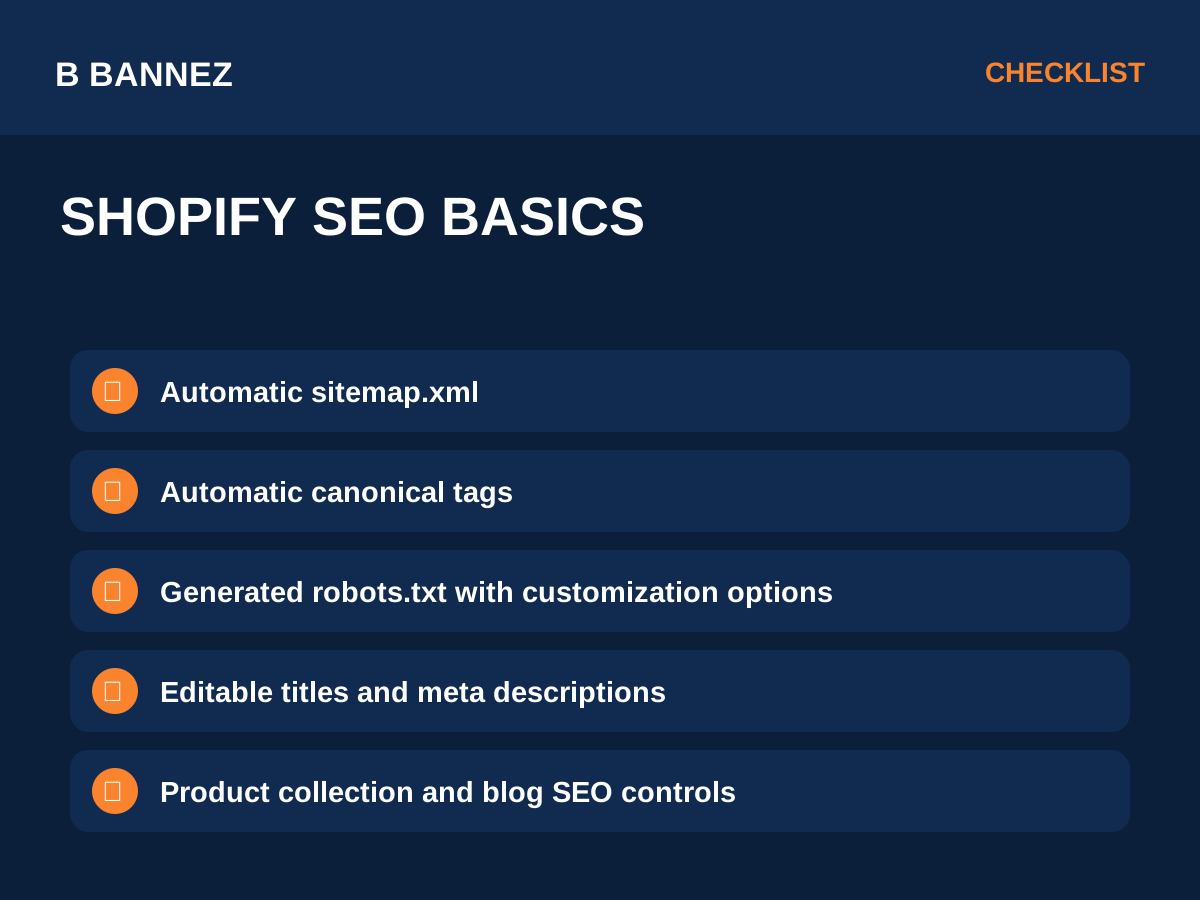
Shopify’s official SEO overview explains that Shopify automatically handles several technical elements, including canonical tags, sitemap.xml, robots.txt and SSL. Store owners can also edit page titles, meta descriptions, URLs and image alt text.
Shopify SEO strengths
- Many technical basics work without installing an SEO plugin.
- Automatic sitemap generation.
- Automatic canonical tags on store pages.
- SSL enabled by default.
- Simple editing of product, collection, page and blog SEO fields.
- International SEO features for Shopify Markets.
Shopify SEO limitations
Shopify uses a structured platform architecture. Certain URL paths such as product and collection paths are part of the platform. This keeps the system predictable, but gives you less freedom than a self-hosted CMS.
How WordPress Handles SEO
WordPress is a general-purpose content management system. Its official SEO documentation notes built-in features such as permalink controls and support for search-engine-friendly site structures, while many advanced SEO functions are commonly added through plugins or custom development.
WordPress SEO strengths
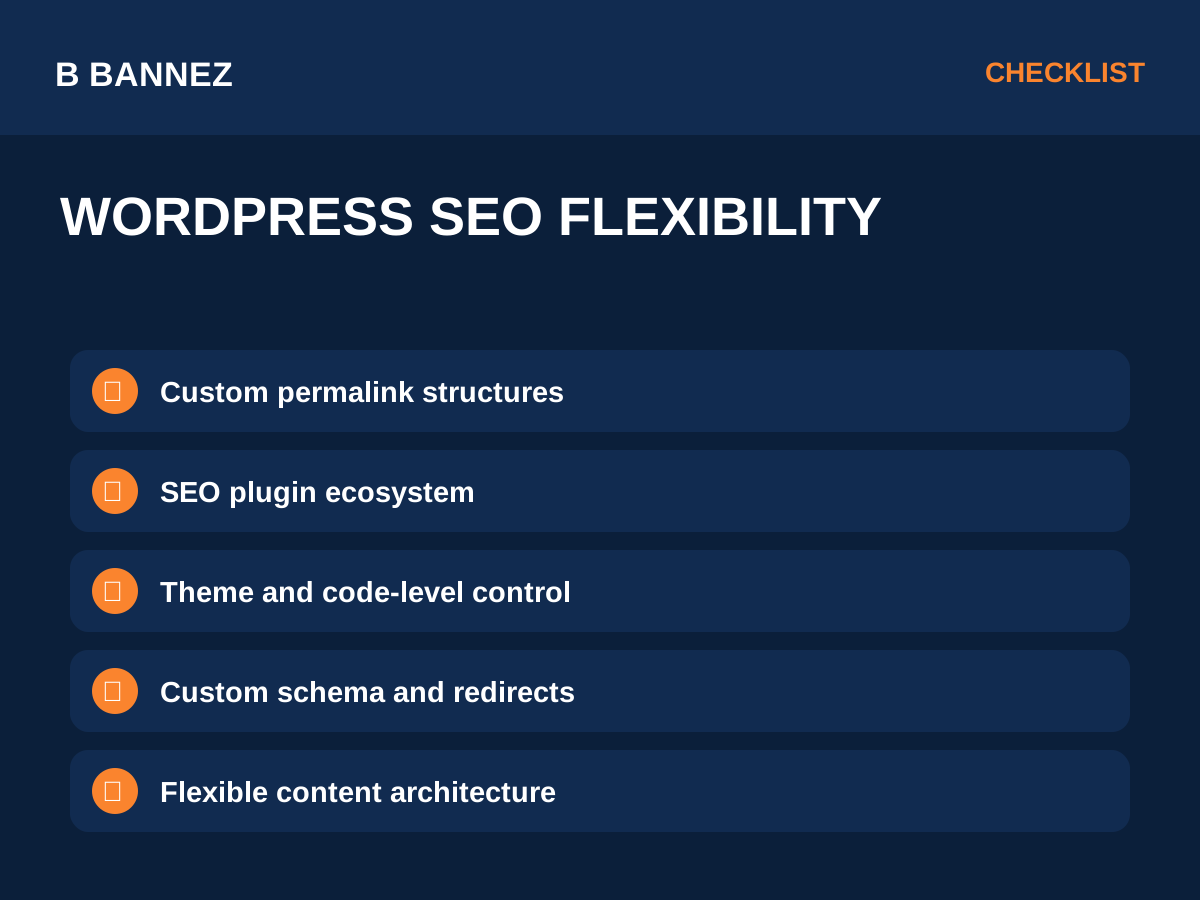
- High control over URL and permalink structure.
- Large SEO plugin ecosystem.
- Flexible schema implementation.
- Custom post types, taxonomies and content architecture.
- Full theme and code-level control when needed.
- Freedom to choose hosting, caching and performance stack.
WordPress SEO responsibilities
More control means more ways to make mistakes. Poor themes, plugin conflicts, duplicate schema, weak hosting or incorrect caching can create technical SEO problems if the site is not managed carefully.
Shopify SEO vs WordPress SEO: Main Differences
| Area | Shopify | WordPress |
|---|---|---|
| Technical setup | More managed | More configurable |
| Sitemap | Automatic | Built-in/plugin/custom options |
| Canonical tags | Automatically generated for many store pages | Usually managed by SEO plugin/theme/custom code |
| URL flexibility | More platform-defined | Highly flexible |
| SEO plugins | Apps and built-in controls | Large dedicated plugin ecosystem |
| Server control | Managed by Shopify | Depends on your hosting environment |
| Content flexibility | Strong for commerce and standard pages | Very flexible for complex content structures |
Which Is Better for Technical SEO?
Shopify is easier for businesses that want common e-commerce SEO basics handled by the platform. WordPress can offer deeper technical control for teams that know how to manage it.
For example, Shopify automatically generates a sitemap and canonical tags. WordPress lets you choose your own SEO stack and customize how those features work.
Which Is Better for Content SEO?
WordPress has a strong advantage when a site requires complex publishing workflows, custom taxonomies, large editorial sections or unusual content types. Shopify includes blogging and pages, but its primary purpose is commerce.
If your business is primarily a store, Shopify’s simpler content system may be enough. If content marketing is a major acquisition channel, WordPress may provide more editorial flexibility.
Which Is Better for E-commerce SEO?
Both can work well. Shopify gives merchants a managed commerce stack. WordPress commonly uses WooCommerce for e-commerce, creating more flexibility but also more maintenance responsibility.
If you are comparing commerce platforms more broadly, read WooCommerce vs Shopify: Which Is Better for Your Online Store?.
Performance and Core Web Vitals
Shopify controls the hosting platform, while WordPress performance depends heavily on hosting, theme quality, plugins, caching, image optimization and database health.
Neither platform guarantees perfect Core Web Vitals. Theme design, apps/plugins, third-party scripts and page complexity can affect performance on both.
Schema Markup
Shopify themes and apps can output structured data, while WordPress sites often use SEO plugins or custom schema. WordPress usually offers deeper customization, but duplicate schema is a common risk when multiple plugins output overlapping entities.
See Schema Markup Explained for Business Websites.
When Shopify May Be the Better Choice
- Your main goal is running an online store.
- You want hosting and core commerce infrastructure managed for you.
- You prefer built-in SEO basics with fewer technical decisions.
- You do not need unusual URL or content architecture.
When WordPress May Be the Better Choice
- You need maximum content and site-structure flexibility.
- You need custom post types, taxonomies or advanced publishing workflows.
- You want full control over hosting and technical configuration.
- Your team can maintain plugins, security and performance.
Need Help Building the Right Platform?
If your project is focused on a Shopify dropshipping store, you can explore our Shopify Dropshipping Store Development & Setup service.
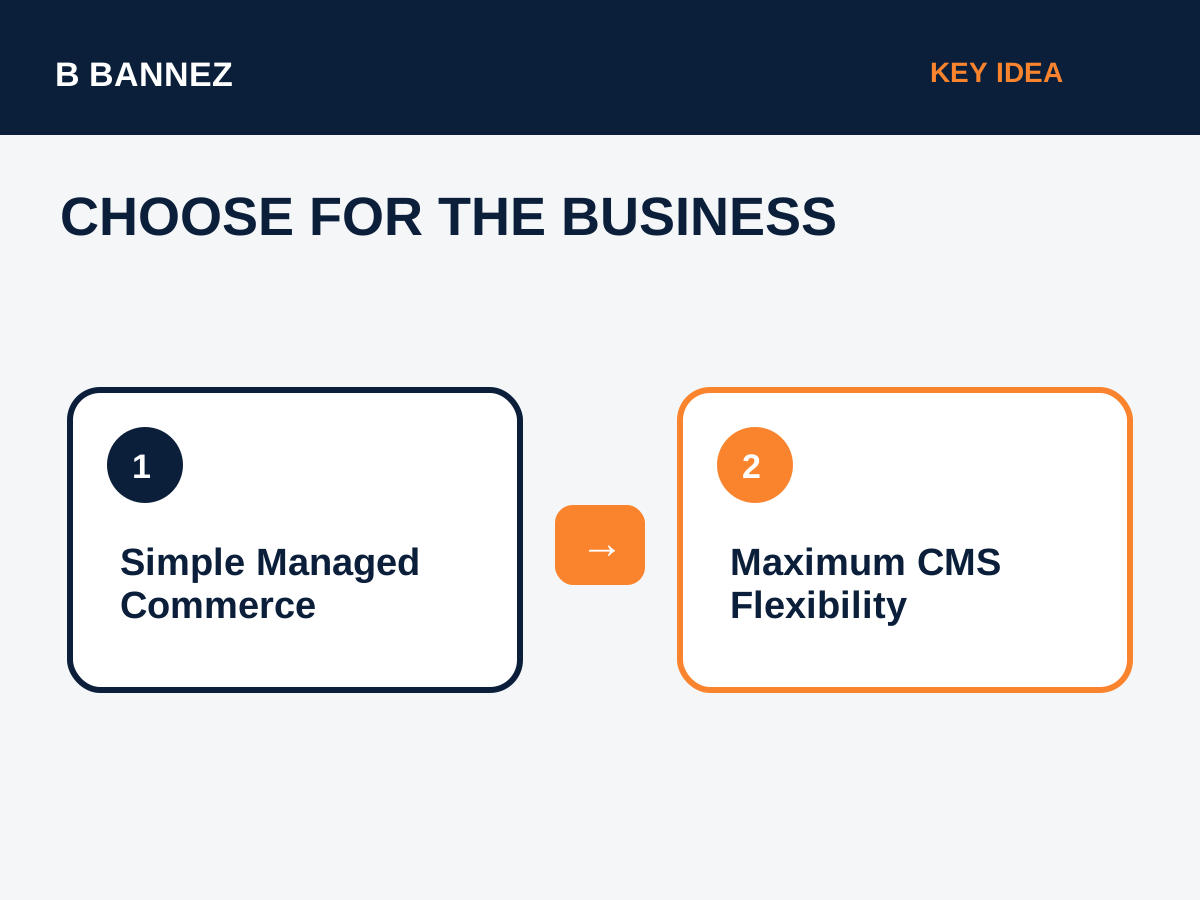
If you need a professional WordPress business website instead, explore our Build a Professional WordPress Business Website service. Choose the platform based on your actual business needs, not only on which one has more SEO settings.
FAQs
Can Shopify rank well on Google?
Yes. Shopify provides core SEO features and many successful stores use it. Rankings still depend on content, relevance, links, site quality, competition and many other factors.
Is WordPress automatically better for SEO?
No. WordPress offers more flexibility, but poor configuration can create problems. More control is useful only when it is managed well.
Does Shopify create a sitemap automatically?
Yes. Shopify automatically generates sitemap.xml files for stores.
Conclusion
Shopify SEO is more managed and opinionated; WordPress SEO is more flexible and customizable. Shopify handles many technical basics automatically, while WordPress gives you deeper control over URLs, schema, content architecture and the technical stack.
The right platform is the one that fits the business model, team skills and long-term website requirements. Strong SEO can be built on either platform when the site is useful, technically sound and maintained consistently.
